
COP31 Climate Talks Collapse Over Fossil Fuel Divisions and Finance Disputes
Key Takeaways
- COP31 ended without a consensus agreement due to deep divisions over fossil fuels.
- The European Union and host nations from previous summits criticized the proposed text.
- UN Secretary-General António Guterres expressed deep disappointment over the summit's collapse.
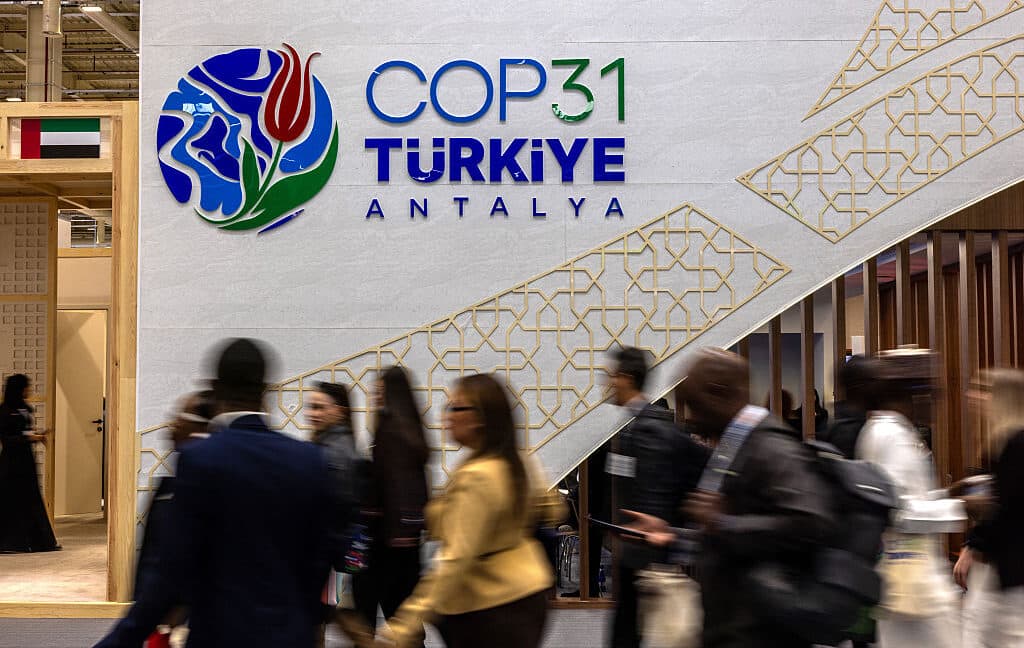
OPA WIRE, Nov 23 (OPA) — The COP31 climate summit concluded in failure as delegates from participating nations failed to reach a consensus on an overarching agreement. The breakdown occurred after sharp divisions emerged regarding references to fossil fuels and the financing necessary to address global climate change.
"We will not endorse a decision that does not even mention fossil fuels, the key driver of climate change, and not accept a COP that greenwashes fossil fuels," said O’Brien, speaking on behalf of the EU during Ireland’s rotating presidency. Egypt and Brazil, hosts of the U.N. climate talks in 2023 and 2025 respectively, also criticized the draft text proposed by COP31 president Kurum of Turkey and conference negotiations president Chris Bowen of Australia.
Liliam Beatris Chagas de Moura, director for climate at Brazil’s Ministry of Foreign Affairs, expressed disappointment that the conference failed to maintain the momentum established during last year's talks in her country. Conversely, Mohammad Ayoub, a climate negotiator with the Saudi Arabian energy ministry representing the 22-member League of Arab States, voiced support for the proposed Antalya Pact. Ayoub criticized developed nations for utilizing the global carbon budget before asking developing economies to abandon the energy sources that fueled their own industrialization.
U.N. Secretary-General António Guterres stated he was deeply disappointed by the lack of consensus but maintained that the diplomatic setback does not alter underlying scientific realities. The conference concluded without resolving the fundamental disputes between developing nations seeking energy sovereignty and developed economies pushing for stricter phase-out timelines.
Subscribe to the Global Briefing
Receive our flagship executive dispatch every morning. Essential geopolitical analysis, financial benchmarks, and breaking world events delivered to your inbox.
Mohammad Karamali
Verified Wire ContributorSenior correspondent covering geopolitics, regional developments, and strategic international affairs for OPA News (Optimum Public Affairs).
Related Stories & Follow-ups
Editorial Wire


Reader Discussion
Leave a Comment
0 Comments
Owner
Editorial Oversight & Machine-Assisted Reporting
Human-in-the-Loop VerifiedEditorial Oversight & Machine-Assisted Reporting: This dispatch was synthesized and localized via OPA automated intelligence under continuous human editorial supervision.
Wire Source
This report was synthesized from Ars Technica under journalistic fair use.