
Argentina Bans Central Bank From Printing Money to Finance Government
Key Takeaways
- Argentina's Congress voted 141-0 to ban the central bank from printing money for government use.
- The new law ends 91 years of central bank financing for Treasury deficits and repeals past development mandates.
- Annual inflation dropped from nearly 300% in early 2024 to 33% last month amid strict spending cuts.
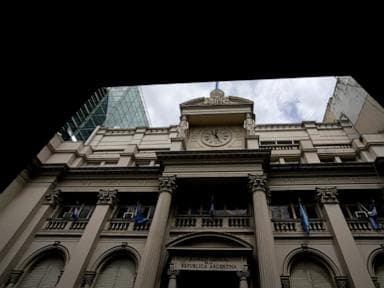
OPA WIRE, Nov 26 (OPA) — BUENOS AIRES — Argentina’s Congress voted Thursday to bar the central bank from printing money to pay government bills, enshrining a key pillar of President Javier Milei’s fight against high inflation. Under the new charter, the central bank’s primary mission will be to preserve the value of the peso. The 141-0 vote in the Chamber of Deputies, with 99 abstentions, comes days after preliminary figures showed Argentina had slipped into recession, less than a year before the libertarian economist seeks a second four-year term.
For generations, Argentine governments turned to the central bank to print pesos to fill fiscal gaps, fueling repeated currency crises and hyperinflation. The law puts an end to 91 years of plunder, expropriation, impunity and institutional decay, Milei’s office said in a statement. The new charter bars the bank from lending to any level of government or financing the Treasury. It also scraps employment and economic development goals added under former President Cristina Fernández de Kirchner.
Milei has slashed public spending over the past three years, turning chronic fiscal deficits into a surplus and helping cut annual inflation from nearly 300% in early 2024 to 33% last month. Yet the president has been reluctant to let the market set the exchange rate. The charter leaves currency controls in the bank’s hands and sets no clear rule for how it should respond to inflation. Tight monetary policy has kept the peso strong, making Argentine goods expensive abroad while manufacturing, retail and construction struggle.
Argentina’s economy shrank an estimated 1.8% in the third quarter following a 0.6% contraction in the second quarter. As Milei’s support slips in the polls, investors wary of a country infamous for defaulting on its debt nine times are weighing the possibility that the Peronists could return to power and reverse market-friendly reforms. Under growing pressure, Milei is now seeking to overhaul next year’s presidential race, pushing to suspend mandatory primary elections.
Subscribe to the Global Briefing
Receive our flagship executive dispatch every morning. Essential geopolitical analysis, financial benchmarks, and breaking world events delivered to your inbox.
Mohammad Karamali
Verified Wire ContributorSenior correspondent covering geopolitics, regional developments, and strategic international affairs for OPA News (Optimum Public Affairs).
Related Stories & Follow-ups
Editorial Wire


Reader Discussion
Leave a Comment
0 Comments
Owner
Editorial Oversight & Machine-Assisted Reporting
Human-in-the-Loop VerifiedEditorial Oversight & Machine-Assisted Reporting: This dispatch was synthesized and localized via OPA automated intelligence under continuous human editorial supervision.
Wire Source
This report was synthesized from ABC under journalistic fair use.