
Surviving Sednaya: Former Detainee Struggles with Freedom After Decade in Syrian Prison
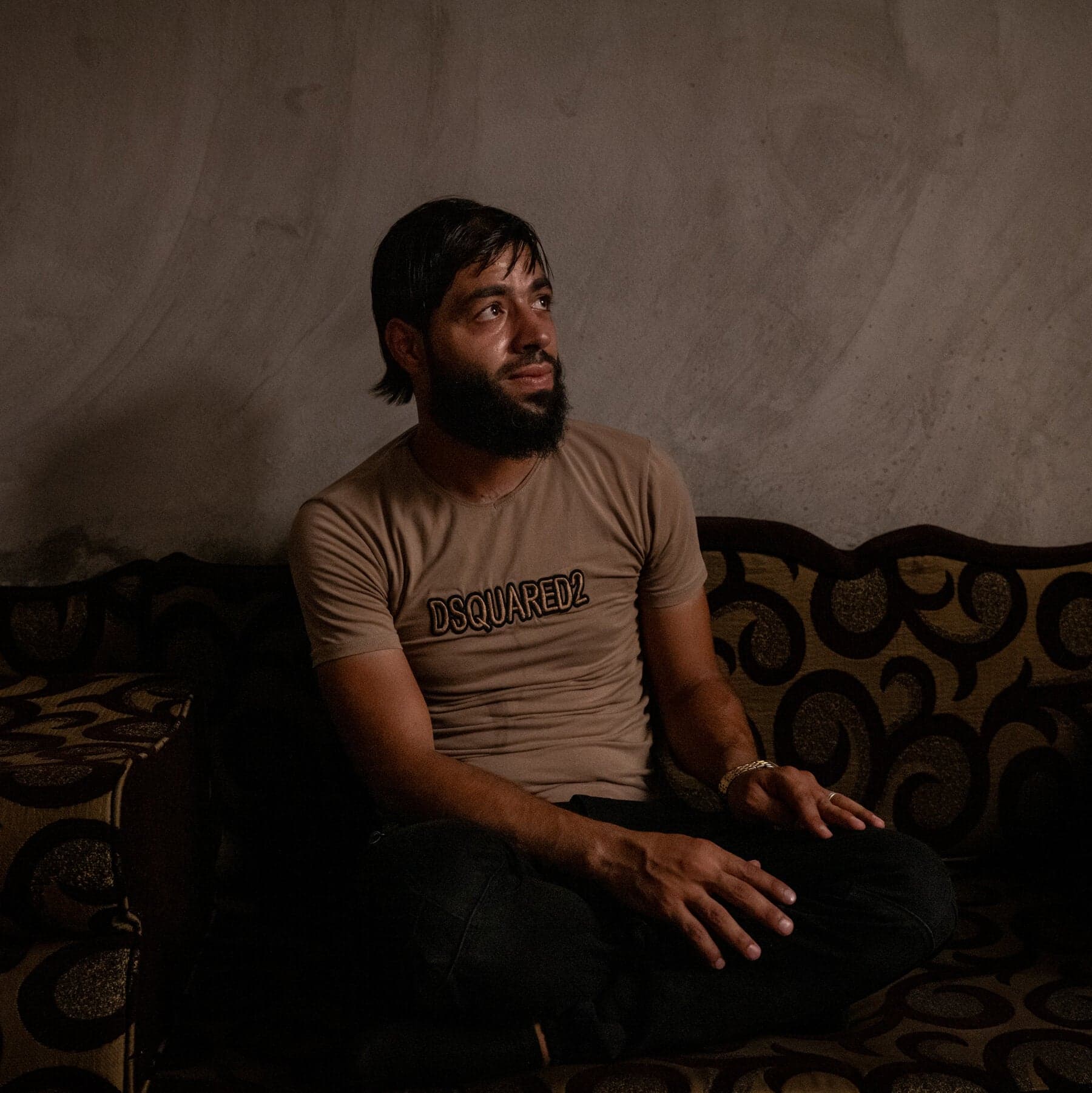
Key Takeaways
- Ahmed al-Shalh survived a decade inside Syria's notorious Sednaya prison.
- He was abruptly released, allowing him to marry and become a father.
- Despite his physical freedom, he continues to struggle with the psychological trauma of captivity.
OPA WIRE, Nov 28 (OPA) — Ahmed al-Shalh expected to perish inside Sednaya prison, a facility synonymous with systematic torture and brutality under the Syrian state apparatus. Abruptly freed after a decade of confinement, he returned to a society drastically altered by years of ongoing conflict and displacement. Although he has managed to rebuild elements of his personal life through marriage and fatherhood, the transition from survival mode to civilian life remains fraught with psychological hurdles.
Friends and family members noted the stark contrast between al-Shalh's physical liberation and his internal imprisonment. In environments where former detainees attempt to resume normalcy, the ghosts of interrogation rooms, crowded cells, and the constant threat of execution linger. Medical professionals and human rights monitors have long documented the severe, long-lasting psychological scars left by Sednaya, where thousands of political prisoners and dissidents vanished.
The facility itself remains a potent symbol of state repression in Syria, operating largely in secrecy as a destination for those deemed threats to the government. Detainees endured horrific conditions, including severe malnourishment, rampant disease, and routine physical abuse. Al-Shalh's decade-long ordeal places him among a small fraction of survivors who emerged to tell their stories, though many remain reluctant to speak out due to lingering fears of retaliation.
As al-Shalh navigates his new reality, the broader challenge for hundreds of liberated prisoners involves securing adequate psychological and economic support. Transitional justice advocates continue to push for accountability regarding the atrocities committed within the prison walls. For now, individuals like al-Shalh must find ways to reconcile their past survival with the demands of an uncertain future.
Subscribe to the Global Briefing
Receive our flagship executive dispatch every morning. Essential geopolitical analysis, financial benchmarks, and breaking world events delivered to your inbox.
Mohammad Karamali
Verified Wire ContributorSenior correspondent covering geopolitics, regional developments, and strategic international affairs for OPA News (Optimum Public Affairs).
Related Stories & Follow-ups
Editorial Wire


Reader Discussion
Leave a Comment
0 Comments
Owner
Editorial Oversight & Machine-Assisted Reporting
Human-in-the-Loop VerifiedEditorial Oversight & Machine-Assisted Reporting: This dispatch was synthesized and localized via OPA automated intelligence under continuous human editorial supervision.
Wire Source
This report was synthesized from New York Times under journalistic fair use.