
Saxony-Anhalt Parliament Convenes as Far-Right AfD Seeks Historic Speaker Role
Key Takeaways
- The AfD secured 39 seats after winning nearly 44% of the regional vote in Saxony-Anhalt.
- Tobias Rausch could become Germany's first far-right state parliament speaker with BSW support.
- Mainstream parties maintain the traditional 'firewall' policy, prompting CDU lawmakers to abstain.
The newly elected state parliament of Saxony-Anhalt convened for its inaugural session following a decisive victory by the far-right Alternative for Germany (AfD) party. As the largest faction in the legislature, the AfD has advanced 35-year-old lawmaker Tobias Rausch for the parliamentary speaker position. If confirmed, Rausch will mark the first time an AfD representative has been elected to preside over a German state parliament, representing a significant milestone for the controversial political group.
The AfD secured nearly 44% of the vote in the regional elections, granting the party 39 seats in the assembly. This tally equals the combined seat count of the conservative Christian Democratic Union (CDU), the Left Party, the Greens, and the Social Democrats (SPD). Backing from the populist Sahra Wagenknecht Alliance (BSW), which controls five seats, is expected to provide the crucial support needed to secure Rausch's majority during the vote.
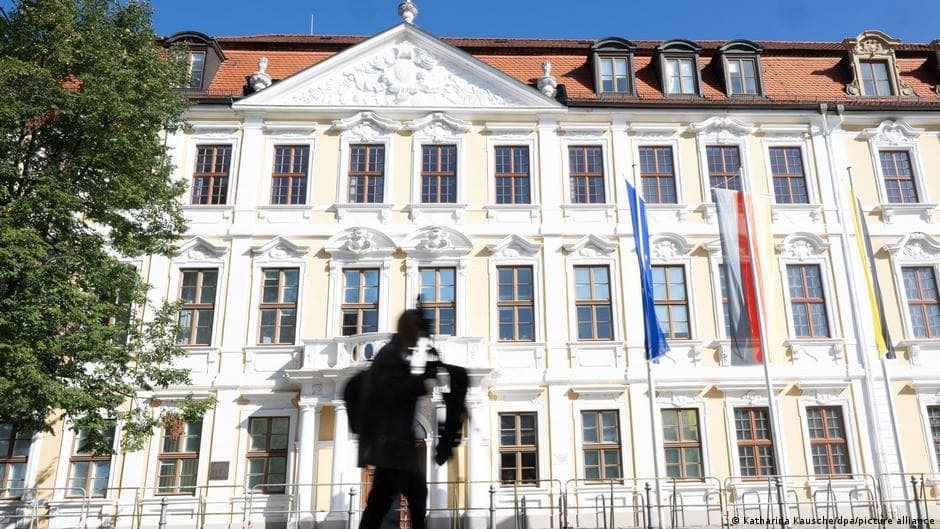
Mainstream parties in the parliament have maintained a long-standing political cordon sanitaire, referred to in Germany as the "firewall," aimed at isolating the far-right from institutional power. In response to the upcoming vote, the regional CDU leadership instructed its lawmakers to abstain rather than support or openly oppose the nomination. Civil society groups staged protests outside the 18th-century legislative building in Magdeburg, pointing to intelligence assessments that classify the regional AfD chapter as a confirmed extremist organization.
The vote carries major implications for the political landscape in eastern Germany, testing the resilience of mainstream coalitions against rising populist influence. While the session focuses on legislative leadership, it leaves unresolved questions regarding future government formation and executive governance in Saxony-Anhalt. A failure to secure the speakership on the initial ballot could permit alternative nominations, intensifying legislative friction across party lines.
Related Stories & Follow-ups
Editorial Wire Politics
Zelenskyy Urges Sanctions Enforcement After Trump Pauses Measures Against Russia
 Politics
Reports Allege Elon Musk and Donald Trump Coordinated Starlink Restrictions in Ukraine
 Politics
Trump Waives Sanctions on Russian Oil Buyers to Ease Domestic Energy Prices
Reader Discussion
Leave a Comment
0 Comments
Owner
Editorial Oversight & Machine-Assisted Reporting
Human-in-the-Loop VerifiedEditorial Oversight & Machine-Assisted Reporting: This dispatch was synthesized and localized via OPA automated intelligence under continuous human editorial supervision.
Wire Source
This report was synthesized from DW English under journalistic fair use.