
The Emergence of 'Plasticoral': A New Geological Threat to Marine Ecosystems
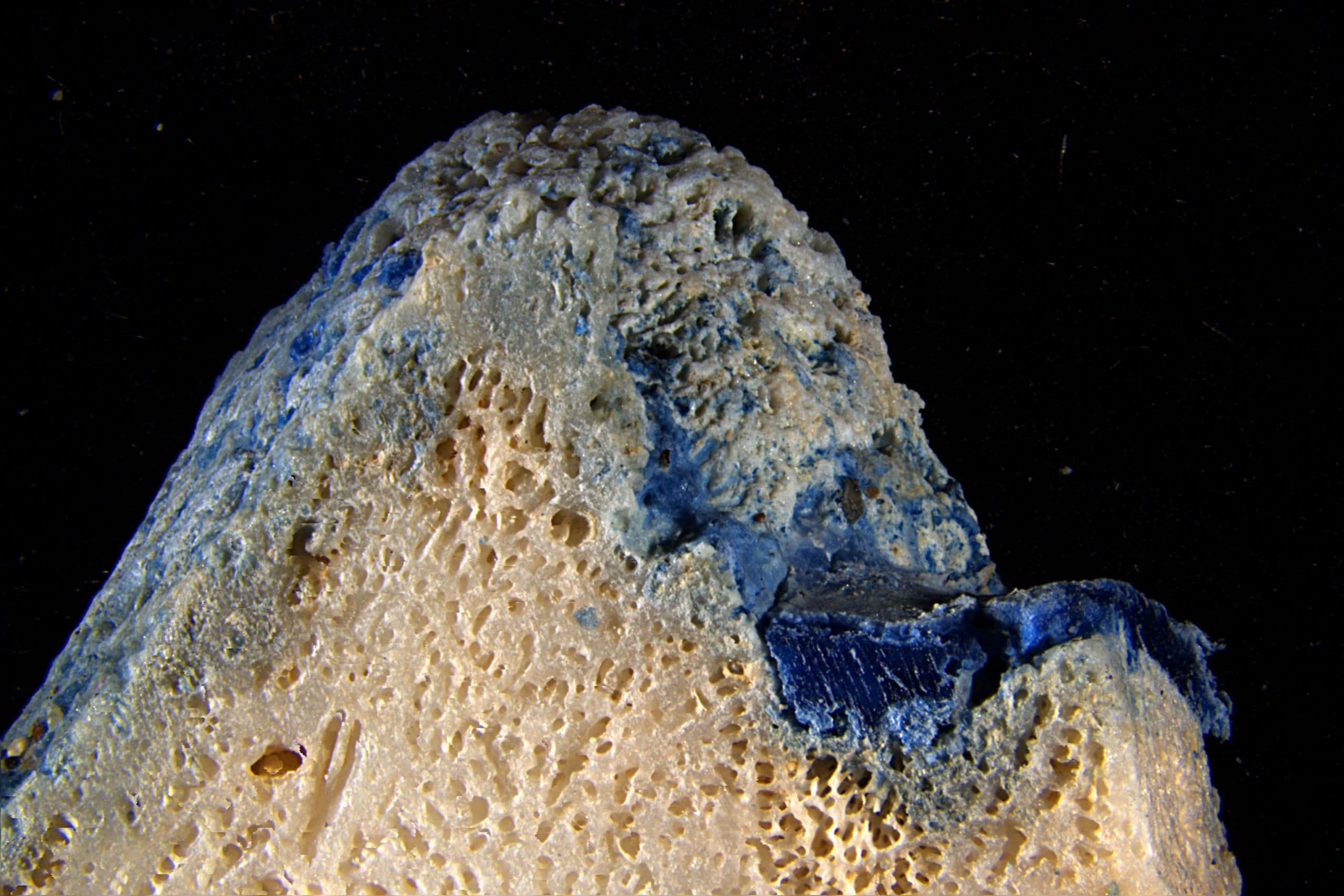
OPA WIRE, Sep 29 (OPA) — Researchers have identified a disturbing new phenomenon in marine pollution: the fusion of plastic waste with coral skeletons, a hybrid material now dubbed 'plasticoral.' Discovered along the shores of Japan’s Ryukyu Islands, this conglomerate represents a significant escalation in the environmental impact of the 'Plastocene' epoch. Scientists found that common household polymers have effectively melted into the microscopic pores of coral fragments, creating an inseparable bond that alters the physical composition of these essential marine structures.
Spectroscopic analysis and micro-CT scans conducted on samples from Okinawa revealed that these polymers are deeply embedded within the coral skeletons. While previous studies have documented 'plastiskin'—a thin layer of degraded plastic coating living organisms like mussels—this discovery marks the first instance of plastic becoming structurally integrated with coral. The primary catalyst for this fusion is believed to be high-heat sources, specifically beach bonfires, which provide the temperatures necessary to melt plastic into the porous coral rubble found along the coastline.
Coral rubble, though technically non-living, serves a vital ecological function. It acts as a foundational substrate for new coral growth and provides critical shelter for small marine organisms seeking refuge from predators and currents. By contaminating this rubble, plastic pollution threatens to disrupt the regenerative cycle of reef ecosystems. The integration of synthetic materials into these natural structures introduces a permanent, non-biodegradable element into the very foundation of marine habitats.
The long-term ramifications of 'plasticoral' remain a subject of urgent investigation. Existing research suggests that chemicals leaching from plastics can inhibit coral reproduction and serve as vectors for pathogens, potentially destabilizing the health of living reefs. If these plastic-fused fragments return to the sea, they could introduce toxic substances directly into the heart of coral reef environments, compounding the existing stressors of ocean warming and acidification.
Looking ahead, this discovery underscores the pervasive and evolving nature of the global plastic crisis. As researchers continue to study the mechanisms behind this fusion, the findings serve as a stark reminder of the anthropogenic footprint on geological time. Addressing the issue will require not only stricter waste management policies but also a fundamental shift in how human activities, such as beach recreation, interact with fragile coastal ecosystems to prevent further structural contamination of our oceans.
Subscribe to the Global Briefing
Receive our flagship executive dispatch every morning. Essential geopolitical analysis, financial benchmarks, and breaking world events delivered to your inbox.
Mohammad Karamali
Verified Wire ContributorSenior correspondent covering geopolitics, regional developments, and strategic international affairs for OPA News (Optimum Public Affairs).
Related Stories & Follow-ups
Editorial Wire


Reader Discussion
Leave a Comment
0 Comments
Owner
Editorial Oversight & Machine-Assisted Reporting
Human-in-the-Loop VerifiedEditorial Oversight & Machine-Assisted Reporting: This dispatch was synthesized and localized via OPA automated intelligence under continuous human editorial supervision.
Wire Source
This report was synthesized from Wired under journalistic fair use.