
How animals have been used for espionage from Hvaldimir the roving Russian whale to American 'bat bombs' and a 'spy squirrel' unit caught behind enemy lines
Key Takeaways
- The U.S. military's 'bat bomb' project during WWII aimed to drop incendiary devices on enemy targets using bats.
- The CIA's 'Acoustic Kitty' project attempted to turn cats into listening devices, eventually failing due to behavioral unpredictability.
- Modern intelligence agencies are increasingly shifting toward biomimetic robotics to replace live animals in covert surveillance operations.
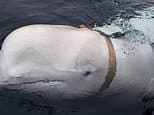
OPA WIRE, Oct 1 (OPA) — Throughout history, intelligence agencies have frequently turned to the animal kingdom to conduct covert operations, utilizing creatures for surveillance, sabotage, and reconnaissance. From the depths of the ocean to the skies above, animals have been trained, equipped, and deployed in missions that blur the lines between nature and warfare. Recent sightings of Hvaldimir, a beluga whale suspected of being a Russian naval asset, have reignited global interest in the long-standing practice of animal-based espionage, highlighting how even the most unlikely species are drafted into the service of national security.
Historical records reveal a diverse array of animal agents, ranging from the U.S. military's experimental 'bat bombs' during World War II to the CIA's infamous 'Acoustic Kitty' project, which sought to turn domestic cats into mobile listening devices. While the 'Acoustic Kitty' program was eventually abandoned due to the unpredictability of feline behavior, other initiatives have seen more success. Experts note that the cost-effectiveness of using animals—who do not require complex technology to operate—remains a compelling factor for state actors, despite the ethical controversies and the high failure rates often associated with such unconventional intelligence gathering methods.
The use of animals in espionage is not merely a relic of the Cold War; it is a persistent strategy that has evolved alongside technological advancements. During the 20th century, various nations experimented with pigeons for aerial photography, dolphins for mine detection, and even insects for tracking enemy movements. These programs were often shrouded in extreme secrecy, with many details only surfacing decades later through declassified documents. The history of these units serves as a testament to the lengths to which governments will go to gain a tactical advantage, often treating living beings as expendable tools in a high-stakes geopolitical game.
However, the deployment of animals in modern warfare has faced significant backlash from animal rights organizations and the international scientific community. Critics argue that these operations subject animals to unnecessary stress, danger, and potential harm, questioning the morality of weaponizing creatures that cannot consent to their roles. Furthermore, the effectiveness of these programs is frequently debated, as the unpredictability of animal behavior often leads to mission failure. The public outcry surrounding the 'spy whale' incidents underscores a growing societal discomfort with the exploitation of wildlife for military objectives, forcing agencies to reconsider their reliance on non-human assets.
Looking ahead, the future of animal-based espionage is likely to be superseded by advanced robotics and artificial intelligence, which offer more reliable and controllable alternatives. While the era of the 'spy squirrel' or the 'naval whale' may be fading, the legacy of these programs remains a fascinating, if dark, chapter in military history. As technology continues to advance, the focus will shift from training biological entities to developing biomimetic drones that can replicate animal movements without the ethical baggage. Nevertheless, the allure of using nature's own creations for surveillance will likely persist in the shadows of global intelligence operations for years to come.
Subscribe to the Global Briefing
Receive our flagship executive dispatch every morning. Essential geopolitical analysis, financial benchmarks, and breaking world events delivered to your inbox.
Mohammad Karamali
Verified Wire ContributorSenior correspondent covering geopolitics, regional developments, and strategic international affairs for OPA News (Optimum Public Affairs).
Related Stories & Follow-ups
Editorial Wire


Reader Discussion
Leave a Comment
0 Comments
Owner
Editorial Oversight & Machine-Assisted Reporting
Human-in-the-Loop VerifiedEditorial Oversight & Machine-Assisted Reporting: This dispatch was synthesized and localized via OPA automated intelligence under continuous human editorial supervision.
Wire Source
This report was synthesized from Daily Mail under journalistic fair use.