
New Forensic Evidence Confirms Retainer Sacrifice in Ancient Egypt
Key Takeaways
- Forensic analysis revealed linear skull fractures in 39% of examined remains, confirming violent trauma.
- Researchers suspect lightweight, flat blunt weapons rather than ceremonial royal maces were utilized.
- Advanced bone trauma differentiation helped uncover lethal injuries missed by original 20th-century excavators.
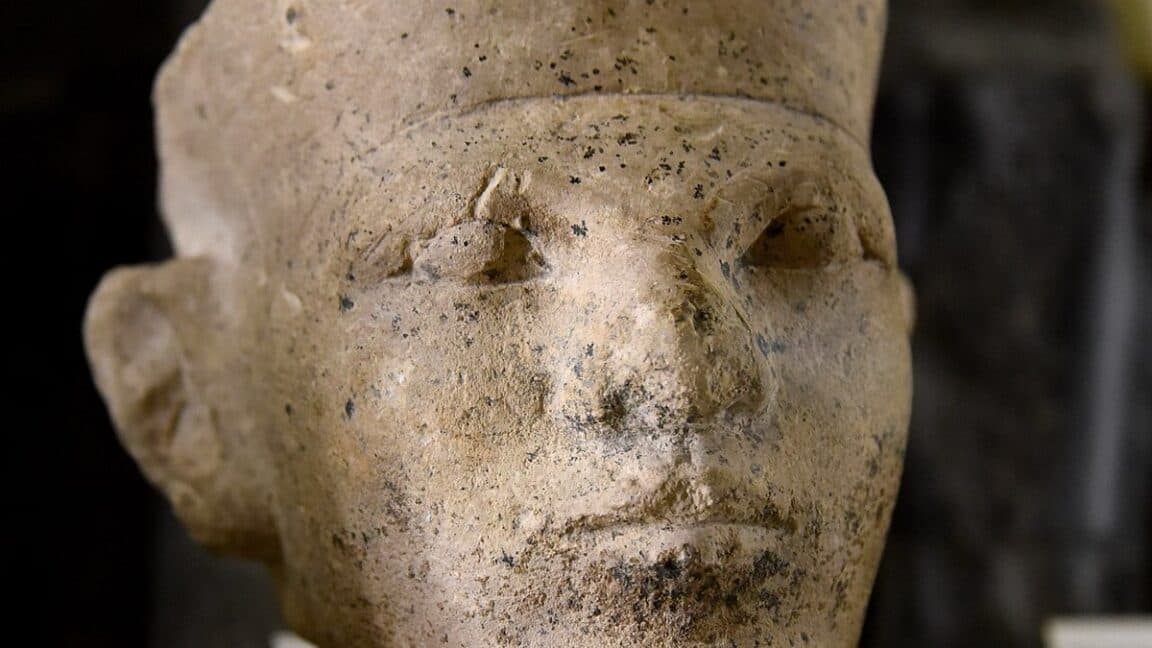
OPA WIRE, Oct 6 (OPA) — Modern forensic re-examination of ancient Egyptian remains has uncovered compelling physical evidence supporting the practice of retainer sacrifice. Bioarchaeologist Roselyn Campbell investigated 46 human skulls initially excavated by British archaeologist Flinders Petrie, discovering distinctive physical injuries that indicate deliberate, violent deaths rather than natural causes.
Campbell identified linear fractures in 18 of the examined skulls—approximately 39 percent of the sample—pointing directly to fatal blunt force trauma. Some specimens also exhibited sharp-force trauma, including chopping marks near the eye sockets. "It could be as simple as a board," Campbell explained regarding the weapon used, noting that typical royal maces would have produced depressed fractures rather than linear ones. She added, "You could easily fashion some kind of wooden club. People use makeshift weapons all the time."
Earlier excavations by Petrie failed to document these fatal traumas, largely due to the technological limitations of early 20th-century archaeology. Modern forensic methods now allow scientists to distinguish between perimortem injuries inflicted around the time of death and postmortem damage caused during excavation or centuries of decay. Campbell noted that Petrie was a careful observer who simply lacked modern insights into how fresh versus dry bones react to structural force.
While the remaining individuals likely succumbed to unpreserved methods such as poisoning, strangulation, or asphyxiation, these forensic findings substantially reinforce historical theories regarding sacrificial rituals in early dynastic Egypt. Further interdisciplinary analysis of ancient funerary complexes continues to illuminate the coercive mechanisms used by early Egyptian rulers to consolidate authority and afterlife companionship.
Subscribe to the Global Briefing
Receive our flagship executive dispatch every morning. Essential geopolitical analysis, financial benchmarks, and breaking world events delivered to your inbox.
Mohammad Karamali
Verified Wire ContributorSenior correspondent covering geopolitics, regional developments, and strategic international affairs for OPA News (Optimum Public Affairs).
Related Stories & Follow-ups
Editorial Wire


Reader Discussion
Leave a Comment
0 Comments
Owner
Editorial Oversight & Machine-Assisted Reporting
Human-in-the-Loop VerifiedEditorial Oversight & Machine-Assisted Reporting: This dispatch was synthesized and localized via OPA automated intelligence under continuous human editorial supervision.
Wire Source
This report was synthesized from Ars Technica under journalistic fair use.