
National Geographic Explores Continent's Biodiversity in Landmark Africa Wildlife Documentary Series
Key Takeaways
- The seven-episode series took four years to produce and filmed across nearly 30 African nations.
- Advanced equipment, including robotic studio arms and low-light rigs, captured first-time footage of rare animal behaviors.
- The documentary marks the start of a broader franchise documenting all seven continents' ecosystems.
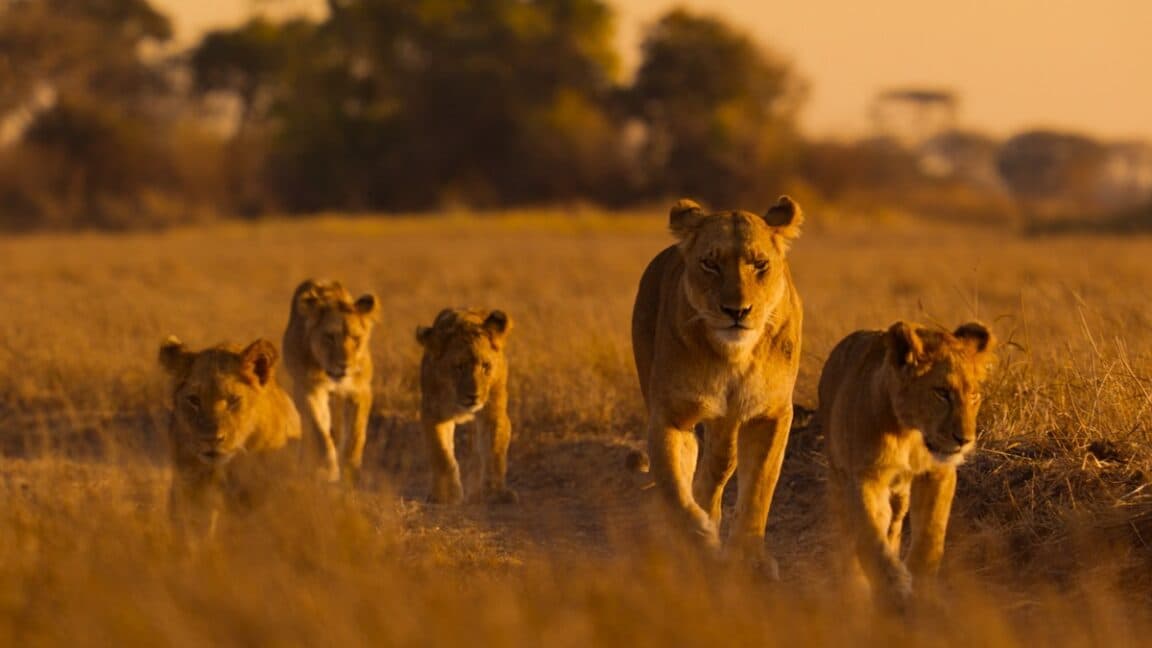
OPA WIRE, Oct 6 (OPA) — National Geographic has premiered "Africa: Earth’s Wild Home," an ambitious seven-part natural history series dedicated to documenting the continent's diverse ecosystems and wildlife behaviors. Filmed across nearly 30 African countries over a four-year period, the production captures rarely seen animal interactions, from chimpanzees utilizing twigs as tools to fish for algae, to the television debut of the reclusive black rain frog during its breeding season.
Narrated by award-winning actor Wunmi Mosaku, the series emphasizes the biological adaptations required for survival across varying terrains, including mountains, deserts, and jungles. Mosaku highlighted her deep personal connection to the material as a Nigerian-born storyteller, noting the unexpected discoveries uncovered during filming. "Seeing snow and monkeys living in the snow in Africa, I had never seen that before," Mosaku noted, underscoring the vast ecological variety captured throughout the project.
The production relied on specialized technological advancements to capture natural phenomena without disrupting wildlife. Crew members deployed robotic camera arms adapted from studio environments for field use, custom pan-and-tilt underwater cameras to observe hippopotamus cleaning behaviors, and bat-proof infrared rigs engineered to film dwarf crocodiles hunting in pitch-black caves. These innovations allowed naturalists to observe sophisticated hunting strategies, including a lone hyena herding flamingo flocks toward the shore.
Serving as the launchpad for a global franchise that plans to profile the ecosystems of all seven continents, the series concludes by spotlighting African scientists, photographers, and conservationists. Producers designed the final episode to showcase indigenous leadership and regional researchers who are actively protecting Africa’s fragile habitats against ongoing environmental threats.
Subscribe to the Global Briefing
Receive our flagship executive dispatch every morning. Essential geopolitical analysis, financial benchmarks, and breaking world events delivered to your inbox.
Mohammad Karamali
Verified Wire ContributorSenior correspondent covering geopolitics, regional developments, and strategic international affairs for OPA News (Optimum Public Affairs).
Related Stories & Follow-ups
Editorial Wire


Reader Discussion
Leave a Comment
0 Comments
Owner
Editorial Oversight & Machine-Assisted Reporting
Human-in-the-Loop VerifiedEditorial Oversight & Machine-Assisted Reporting: This dispatch was synthesized and localized via OPA automated intelligence under continuous human editorial supervision.
Wire Source
This report was synthesized from Ars Technica under journalistic fair use.