
Friday Prayer Leader in Esfarvarin Demands Urgent Resolution for Raisin Pricing
Key Takeaways
- Esfarvarin farmers are facing severe economic uncertainty due to the lack of a regulated pricing mechanism for the current year's raisin harvest.
- The Friday prayer leader identified four strategic pillars of Iran's current power: resilience, innovation, deterrence, and national cohesion.
- Local residents in Esfarvarin have maintained continuous nightly public gatherings for over 210 days to demonstrate their commitment to national causes.
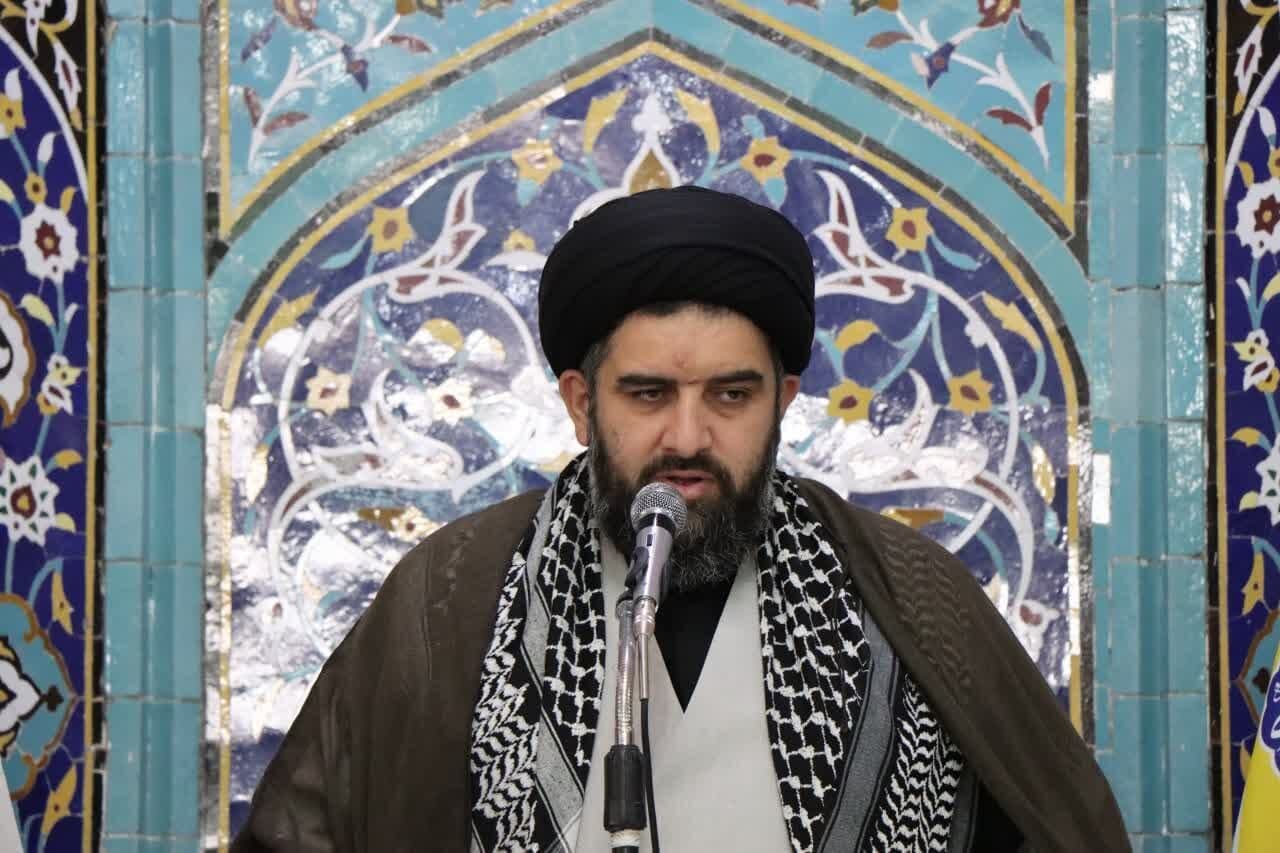
TEHRAN, Oct 2 (OPA) — Hojjat al-Islam Seyyed Ruhollah Hosseini, the Friday prayer leader of Esfarvarin, has issued a stern call to provincial and local authorities to address the critical economic plight of local farmers. During his recent sermon, he emphasized that the region’s economy is heavily dependent on agriculture, and with the harvest season currently underway, farmers are facing significant uncertainty due to the lack of established pricing for their raisin crops. This delay in market regulation has left producers in a state of confusion, unable to determine the value of their year-long labor, which threatens the livelihoods of the entire community.
Addressing the assembly, Hosseini highlighted the growing frustration among the agricultural workforce, noting that the absence of a clear pricing mechanism for raisins is causing severe psychological and financial distress. He urged officials to treat the farmers' concerns as a priority, demanding immediate intervention to stabilize the market. The Friday prayer leader stated that the government must act swiftly to provide security and peace of mind to the people of Esfarvarin, ensuring that their hard-earned products are valued appropriately and that the economic cycle of the region is protected from further volatility.
Beyond local economic issues, the sermon addressed the broader geopolitical landscape, specifically the ongoing tensions involving Iran, the United States, and Israel. Hosseini argued that the current regional conflicts stem from a fundamental miscalculation by Tel Aviv and Washington regarding the resilience of the Islamic Republic. He asserted that the past seven months have demonstrated four strategic pillars of Iranian strength: resilience, innovation, deterrence, and national cohesion. These elements, he claimed, have effectively dismantled the enemy's strategic assumptions and showcased the depth of Iran's defensive capabilities.
Reflecting on the legacy of the Sacred Defense and the recent martyrdom of figures like Sayyed Hassan Nasrallah, the cleric emphasized the importance of preserving historical memory. He urged the younger generation to understand the evolution of Iran’s military and technological prowess, noting that while the country once struggled to procure basic military equipment during the imposed war, it now stands as a regional power. He paid tribute to martyrs such as Qassem Soleimani and Hassan Tehrani-Moghaddam, linking their sacrifices to the current stability and the ongoing success of the regional resistance front.
Looking ahead, Hosseini praised the Iranian police force for their role in maintaining internal security and stability, while also noting the continued grassroots activism in Esfarvarin, where citizens have held nightly gatherings for over 210 days. He warned officials that they must remain responsive to the people's needs, as the public's active participation in social and political life is a testament to their dedication to the country. The future stability of the region, he concluded, depends on the synergy between responsive governance and the unwavering commitment of the populace to national ideals.
Subscribe to the Global Briefing
Receive our flagship executive dispatch every morning. Essential geopolitical analysis, financial benchmarks, and breaking world events delivered to your inbox.
Mohammad Karamali
Verified Wire ContributorSenior correspondent covering geopolitics, regional developments, and strategic international affairs for OPA News (Optimum Public Affairs).
Related Stories & Follow-ups
Editorial Wire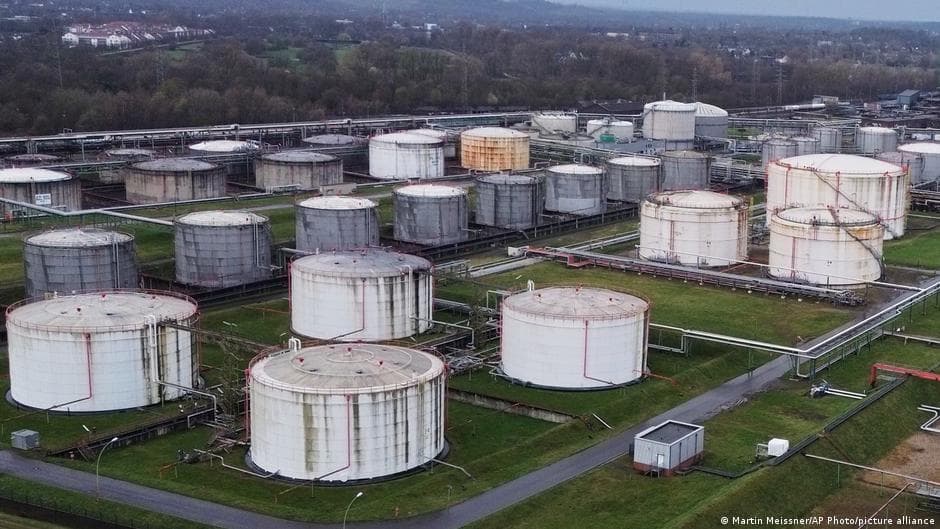 World | Politics | Business & Economy
G7 Demands Release of 100 Million Barrels of Oil Amid Escalating Regional Tensions
 World | Politics | Business & Economy
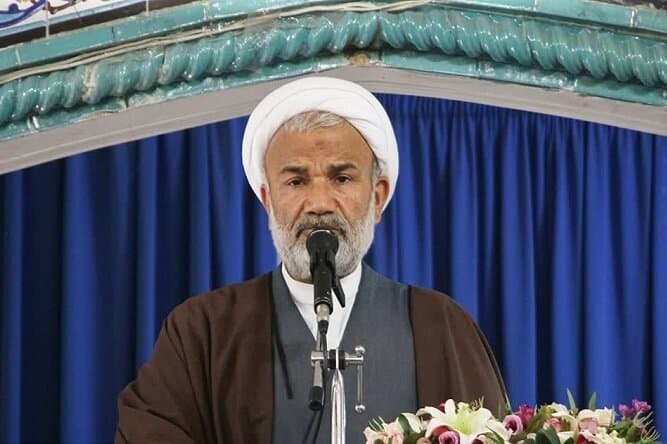
Dashtestan Friday Imam: National Housing Applicants' Demands in Borazjan Must Be Heard
 World | Politics | Business & Economy
A Climate Change Rebrand: The Silent Green Transition
Reader Discussion
Leave a Comment
0 Comments
Owner
Editorial Oversight & Machine-Assisted Reporting
Human-in-the-Loop VerifiedEditorial Oversight & Machine-Assisted Reporting: This dispatch was synthesized and localized via OPA automated intelligence under continuous human editorial supervision.
Wire Source
This report was synthesized from Mehr News under journalistic fair use.