
G7 Demands Release of 100 Million Barrels of Oil Amid Escalating Regional Tensions
Key Takeaways
- G7 nations are releasing 100 million barrels of crude oil over four months to stabilize volatile energy markets.
- LNG transit through the Strait of Hormuz hit 19 vessels in September, the highest volume since the conflict began.
- Saudi Arabia is planning a new military offensive to reclaim control of the strategic Bab al-Mandab Strait.
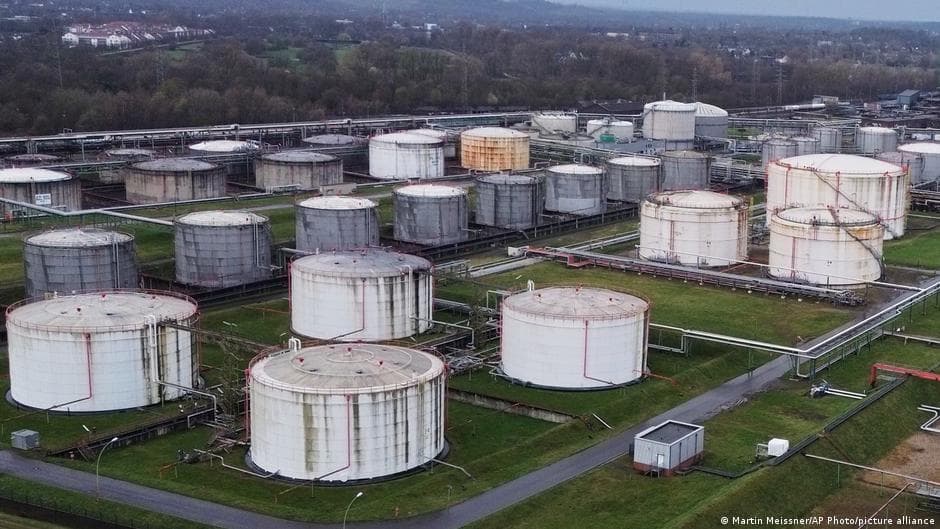
OPA WIRE, Oct 3 (OPA) — The G7 nations have issued a joint call for the immediate release of 100 million barrels of crude oil from strategic reserves to combat surging fuel prices and unprecedented market volatility. This coordinated effort, announced on October 2, aims to stabilize global energy markets that have been severely disrupted by ongoing regional conflicts, including the intensifying military situation in Yemen and the ongoing maritime security challenges in the Strait of Hormuz.
According to the official statement, the release is intended to be executed over a four-month period, building upon decisions made in March. U.S. Treasury Secretary Scott Bessent has urged European partners to provide additional supplies immediately to alleviate the burden on industrial economies. Data from S&P Global Energy indicates that LNG shipments through the Strait of Hormuz reached 19 vessels in September, the highest level since the conflict began, signaling a fragile recovery in energy transit volumes.
This move follows a period of heightened instability where oil transit through the Strait of Hormuz had plummeted to 77 percent of pre-war levels. The G7, currently chaired by France, is coordinating with the International Energy Agency (IEA) to evaluate further releases of diesel reserves. The IEA previously oversaw a record 400 million barrel release in March, demonstrating the scale of the current intervention required to prevent a global energy supply crunch.
Regional ramifications are significant, as Saudi Arabia prepares for a new military offensive against Houthi forces to reclaim control of the Bab al-Mandab Strait. Simultaneously, diplomatic tensions have risen following a drone attack on a power facility in Medina, which Pakistan condemned as a threat to regional security. These events, coupled with the arrest of an Israeli citizen for alleged espionage for Iran, highlight the interconnected nature of the current geopolitical crisis affecting energy security.
Expert analysis suggests that while the release of 100 million barrels provides a necessary short-term buffer, long-term stability remains elusive without a de-escalation of hostilities. The reliance on strategic reserves is a stopgap measure that underscores the vulnerability of global supply chains. Future consequences will likely depend on the success of the Saudi-led military operations and the ability of international mediators to restore safe passage through critical maritime chokepoints, as energy markets remain highly sensitive to any further military escalation.
Subscribe to the Global Briefing
Receive our flagship executive dispatch every morning. Essential geopolitical analysis, financial benchmarks, and breaking world events delivered to your inbox.
Mohammad Karamali
Verified Wire ContributorSenior correspondent covering geopolitics, regional developments, and strategic international affairs for OPA News (Optimum Public Affairs).
Related Stories & Follow-ups
Editorial Wire World | Politics | Business & Economy
Friday Prayer Leader in Esfarvarin Demands Urgent Resolution for Raisin Pricing
 World | Politics | Business & Economy
Dashtestan Friday Imam: National Housing Applicants' Demands in Borazjan Must Be Heard
 World | Politics | Business & Economy
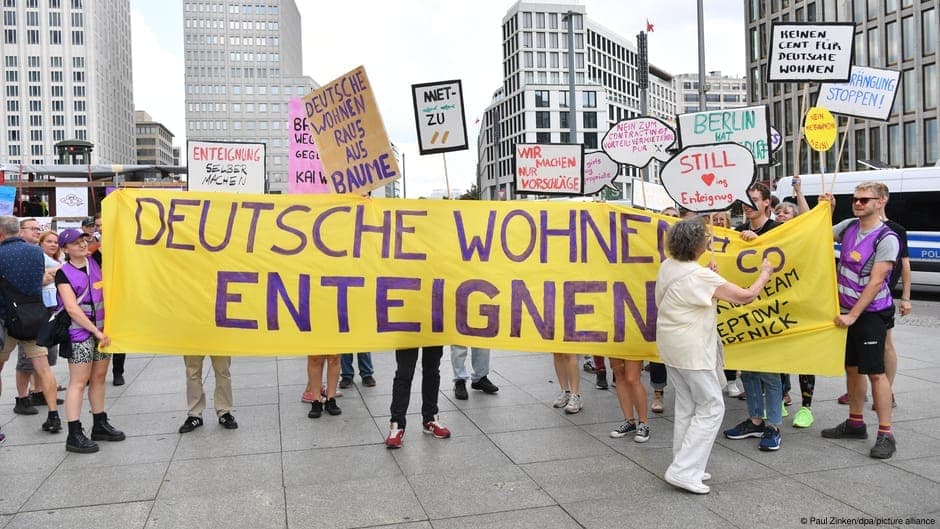
Could a Left Party government in Berlin expropriate large real estate companies?
Reader Discussion
Leave a Comment
0 Comments
Owner
Editorial Oversight & Machine-Assisted Reporting
Human-in-the-Loop VerifiedEditorial Oversight & Machine-Assisted Reporting: This dispatch was synthesized and localized via OPA automated intelligence under continuous human editorial supervision.
Wire Source
This report was synthesized from DW Persian under journalistic fair use.