Politics•1h ago
Reports Allege Elon Musk and Donald Trump Coordinated Starlink Restrictions in Ukraine
Wire Service
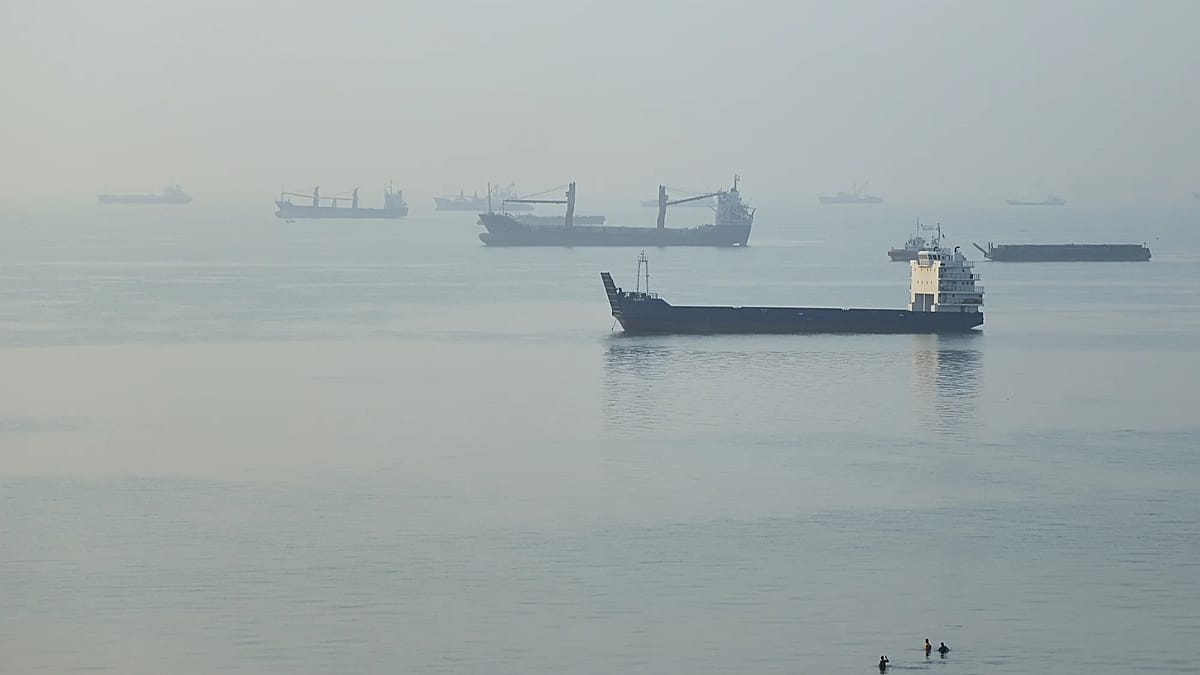
A massive super tanker carrying over two million barrels of oil caught fire on Saturday after striking a sea mine in the Strait of Hormuz. Iran’s Revolutionary Guard Corps (IRGC) reported the incident, claiming the vessel was attempting to navigate an unauthorized route with its radar and positioning systems disabled. The explosion has triggered a fierce fire aboard the ship, though the exact coordinates of the strike remain unconfirmed by independent sources. The IRGC navy issued a provocative statement following the blast, declaring the Strait closed and warning that vessels defying Iranian regulations would face severe consequences. In response, Admiral Brad Cooper, commander of US Central Command (CENTCOM), firmly rejected Iran's claims of control over the vital waterway. "The Strait of Hormuz is controlled by the United States and our regional partners, not Iran," Cooper stated, emphasizing that the passage remains open for international shipping despite ongoing aggression. The Strait of Hormuz serves as a critical global chokepoint, historically facilitating the transit of approximately 25% of the world’s seaborne oil trade. Tensions in the region have escalated significantly since the outbreak of the Iran war in late February. Following a series of US and Israeli strikes on Iranian infrastructure, Tehran attempted to restrict maritime traffic, leading to a reciprocal US-led naval blockade of Iranian ports and a heightened military presence in the Gulf. As the situation unfolds, the incident underscores the extreme volatility surrounding global energy transit routes. With the US military coordinating with regional allies to protect commercial vessels, the risk of further maritime escalation remains high. The international community is closely monitoring the impact of this disruption on global oil prices and the security of the Strait, as both Washington and Tehran continue to assert conflicting claims of authority over the strategic maritime corridor.

England launched their Women's Rugby League World Cup campaign with a resounding 70-6 victory over tournament debutants Wales in Perth. Despite a spirited start from the Welsh side, who briefly leveled the score at 6-6 following a try from Paige Travis, England’s superior physicality and tactical precision quickly overwhelmed their opponents. By the halftime whistle, England had already established a commanding 40-6 lead, effectively ending any hopes of a major upset in the Group A opener. The match saw standout individual performances, particularly from debutant Connie Boyd and winger Anna Davies, both of whom secured hat-tricks. Izzy Rowe was instrumental in the victory, scoring two tries and successfully kicking nine conversions for a total of 26 points, matching the record for the most points by an individual England player in a single World Cup match. England’s clinical attack was highlighted by a remarkable 109-metre try from Amelia Brown, which served as a demoralizing blow to the Welsh defensive line in the second half. This encounter marked a significant milestone for Wales, who were making their first-ever appearance at the Rugby League World Cup. While the final scoreline reflects a massive gulf in experience and development between the two nations, the Welsh side showed flashes of competitiveness early on. Having previously lost to England by a combined score of 144-0 in two prior meetings, the Welsh squad viewed this tournament as a vital learning experience, despite the inevitable physical toll of facing a top-tier contender. Looking ahead, England continues their pursuit of a maiden World Cup final appearance with momentum firmly on their side. For Wales, the focus shifts to their upcoming match against Samoa this Friday. Head coach Tom Brindle remains optimistic that the exposure to elite-level competition will prove beneficial for the long-term growth of the Welsh program, as they prepare to face reigning champions Australia later in the group stage.
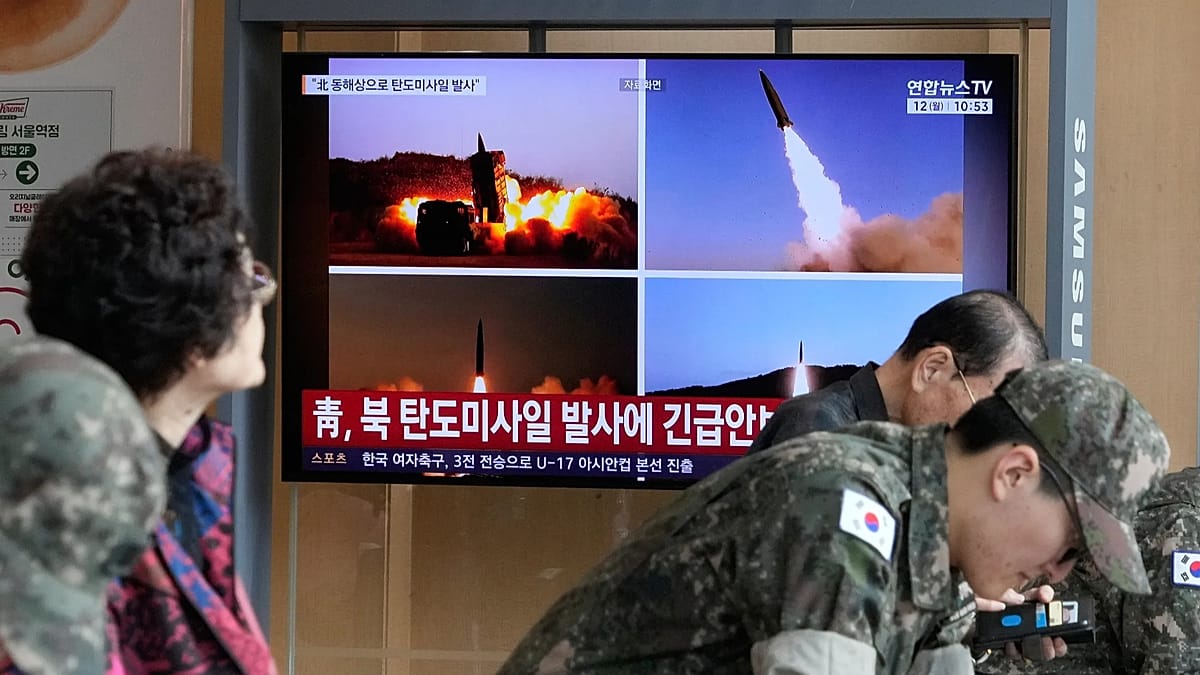
North Korea announced on Saturday the successful testing of its new 'Zam-2.0' torpedo system, a weapon the state claims is powered by artificial intelligence for enhanced target detection and precision guidance. The Korean Central News Agency (KCNA) confirmed that the test focused on verifying the propulsion capabilities of the super-speed system, marking another significant advancement in Pyongyang’s ongoing efforts to modernize its naval arsenal. This development follows a series of aggressive military demonstrations, including the underwater launch of two strategic cruise missiles from a submarine earlier this week. While specific technical specifications remain classified by state media, the integration of AI into maritime weaponry suggests a strategic shift toward autonomous underwater warfare. US President Donald Trump recently noted that North Korea possesses an estimated 57 nuclear weapons, emphasizing the volatile nature of the current security environment on the Korean Peninsula. Regional tensions have escalated sharply in recent weeks, characterized by a rapid succession of ballistic missile tests and naval drills. Pyongyang’s push to bolster its underwater capabilities is viewed by international analysts as a direct challenge to regional stability and a response to the strengthening military alliances between South Korea and its Western partners. The rapid pace of these tests underscores a clear intent to achieve parity in naval strike capabilities. Looking ahead, the diplomatic landscape remains uncertain despite President Trump’s claims of maintaining a personal rapport with Kim Jong-un. While Trump has expressed an intention to meet with the North Korean leader later this year to discuss the nuclear standoff, no concrete details have been finalized. As Pyongyang continues to refine its technological and strategic military assets, the international community remains focused on whether these demonstrations will lead to renewed diplomatic engagement or further exacerbate the risk of conflict in the region.

Residents in southern Syria are facing a surge in Israeli military incursions, arbitrary arrests, and territorial expansion following the collapse of the Bashar al-Assad regime in December 2024. Local accounts describe a pattern of midnight raids where individuals are seized from their homes without charge or legal representation. Former detainees report severe physical abuse, including prolonged shackling, the use of attack dogs, and sensory deprivation in detention facilities such as Ofer and Megiddo, with at least 51 Syrians currently confirmed to be held in Israeli custody. Data from the Sijil Center, a Syrian monitoring organization, documented 280 Israeli violations in September alone, ranging from artillery fire to unauthorized incursions. These actions have severely disrupted local agriculture and daily life, leaving the population in a state of constant fear. Detainees, many of whom were never charged, describe harrowing conditions, including being held for months without questioning and being denied access to international observers like the Red Cross, which has been barred from these facilities since October 2023. The United Nations Disengagement Observer Force (UNDOF), tasked with maintaining the 1974 ceasefire, remains present but largely ineffective. The mission has confirmed that its patrol activities are frequently restricted by the Israeli military, which has established roadblocks and checkpoints that impede peacekeeping operations. In one instance, Israeli armored vehicles blocked access to a UN base, effectively neutralizing the peacekeepers' ability to intervene or monitor the escalating military activity in the demilitarized zone. Israel maintains that its increased presence and operations in Syrian territory are necessary for regional security and the protection of local communities, a justification rejected by Syrian authorities. As the Israeli military continues to expand its footprint beyond the Golan Heights, the humanitarian situation for Syrian civilians remains precarious. With international oversight limited and diplomatic channels strained, the local population continues to endure the psychological and physical toll of ongoing military operations, with no clear resolution in sight for those still missing or detained.

Yemen’s internationally recognized government is struggling to maintain its 'Dawn of Yemen' military offensive as Houthi forces intensify missile strikes and ground advances. A recent attack near the al-Maashiq presidential palace in Aden, which occurred while Prime Minister Shaya al-Zindani was present, underscores the vulnerability of government leadership. The Houthis, backed by Iran, have successfully severed critical supply routes, including the main road to the besieged city of Taiz, where fuel prices have tripled in the last week. Despite these setbacks, government officials remain defiant, citing 'logistical flexibility' as a key strategy to bypass Houthi blockades. Colonel Wadah al-Dubaish, spokesperson for the Joint Forces, stated, 'The Houthi group consistently attempts to sever supply lines to government forces, but they have been unable to halt these supplies.' Deputy Minister of Justice Faisal al-Majidi added that the government is utilizing a decentralized approach, dividing routes into semi-autonomous sectors supported by hubs in Marib, Shabwa, and the Red Sea coast to ensure front-line sustainability. The conflict has seen a significant shift since the Houthis captured the strategic port of Mocha in September, a move that crippled a vital supply artery for pro-government forces. While government counter-offensives have reclaimed some territory, the loss of Mocha and the ongoing siege of Taiz have forced the military to rely on mountainous alternative routes. These logistical hurdles threaten to undermine the broader goal of recapturing the capital, Sanaa, which has been under Houthi control since 2014. Saudi Arabia has re-emerged as a decisive factor, providing critical air support to neutralize Houthi missile platforms and reinforcements. Officials describe this intervention as a 'strategic balancer' essential for the survival of the government’s operations. As fighting continues in districts like al-Waziiya, the government’s ability to coordinate with Saudi forces while maintaining its fragmented supply lines will serve as the ultimate test for the future of the campaign to restore state authority.

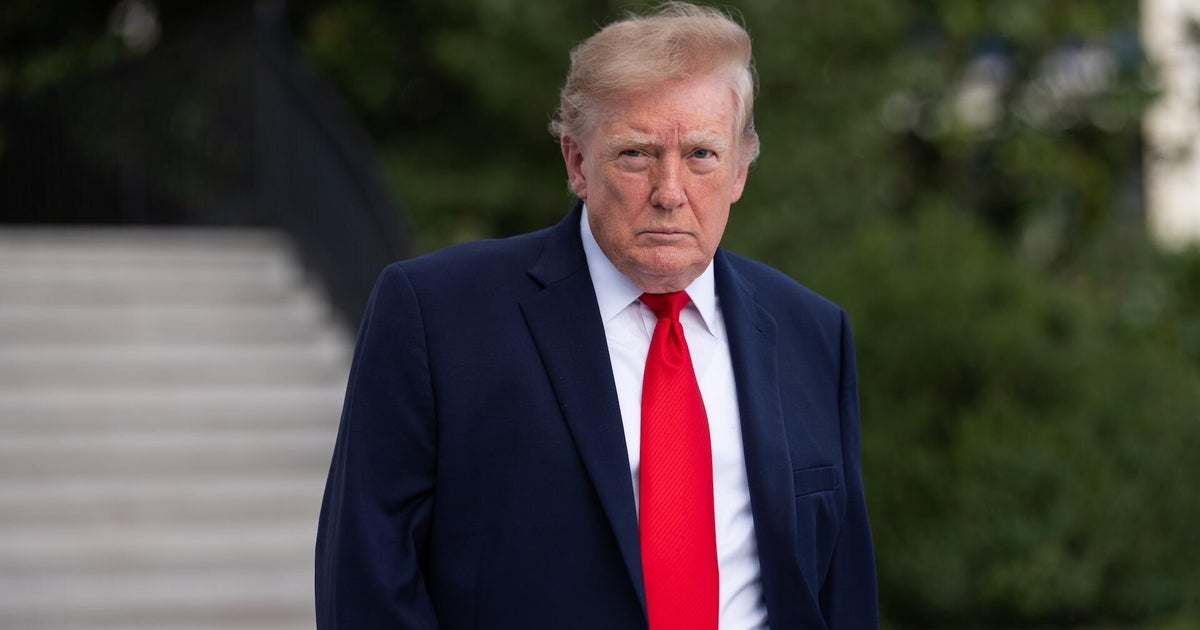
US President Donald Trump has sparked significant international friction by refusing to explicitly blame Vladimir Putin for the 2022 invasion of Ukraine. During recent remarks, Trump avoided direct accountability for the Russian leader, suggesting the conflict's origins are complex and promising to release further details at a later date. This stance has placed the White House at odds with key allies, including the United Kingdom, as concerns mount over the future of American support for Kyiv’s defense efforts. Beyond the diplomatic rift, tensions have escalated over the operational status of Starlink satellite terminals, which are critical for Ukrainian battlefield communications and drone operations. While President Volodymyr Zelensky has accused the US of limiting access to the technology, Trump denied these claims, stating, "We didn't do that. We didn't slow it down at all." The situation remains volatile, with Zelensky characterizing Trump’s recent diesel deal with Russia as a financial lifeline for Moscow, arguing it directly funds the ongoing war effort. Since the invasion began in 2022, the conflict has resulted in hundreds of thousands of casualties and persistent missile strikes across Ukraine. The diplomatic fallout is further complicated by Trump’s criticism of Zelensky, whom he described as "more difficult to deal with than Putin." These comments follow a failed attempt at a ceasefire regarding energy infrastructure, which collapsed after continued Russian attacks, leading Trump to publicly criticize the Ukrainian leader for his impact on global oil prices. As the transatlantic relationship faces its most significant strain in years, British Defence Secretary Wes Streeting has traveled to Washington to mediate and advocate for sustained support for Ukraine. Streeting warned that failing to check Russian aggression would have consequences extending far beyond Eastern Europe. Meanwhile, Zelensky continues to emphasize that Putin shows no genuine interest in peace negotiations, leaving the international community to grapple with the prospect of a prolonged and increasingly isolated conflict.

Russian President Vladimir Putin has signaled a readiness to mediate the escalating conflict between Iran and the United States, following recent discussions with Iranian President Masoud Pezeshkian in Turkmenistan. The Kremlin confirmed that Putin has begun relaying Iran's positions to Washington, marking a significant diplomatic maneuver by Moscow to position itself as a central broker in Middle Eastern stability. Analysts suggest that Russia’s primary motivation is geopolitical posturing rather than genuine peace-building. Hamidreza Azizi of the International Crisis Group characterizes the offer as a "diplomatic gesture" intended to demonstrate Moscow’s continued relevance to Washington. Economically, Russia has been a primary beneficiary of the conflict; the disruption of Persian Gulf energy exports has driven oil prices higher, with Urals crude reaching over $92 per barrel—nearly double pre-conflict levels—thereby providing a vital financial cushion for the Russian state. Beyond energy revenues, the conflict has reshaped global market dynamics to Russia's advantage. With Iranian oil exports constrained by maritime blockades, Russia has captured a larger share of the Chinese market, effectively eliminating a key competitor. Furthermore, Moscow successfully negotiated a deal to supply 300,000 tons of diesel to the U.S. market, forcing Washington to temporarily lift specific fuel sanctions. This move has not only provided economic relief but has also created political friction between the Trump administration and Ukraine. Despite these gains, experts warn that the situation remains volatile. While the conflict diverts U.S. military attention and resources away from Ukraine, the resulting global supply chain disruptions and inflationary pressures pose long-term risks to the Russian economy. As international efforts to de-escalate the region remain largely ineffective, Putin’s intervention highlights the complex interplay between Russia’s desire to maintain its influence in the Middle East and its ongoing strategic confrontation with the West.

The European Trade Union Confederation (ETUC), representing 45 million workers, is intensifying its campaign for EU-wide legislation to address the impact of menopause in the workplace. The organization argues that current labor laws are structurally biased toward male-dominated work environments, failing to account for the health realities of a significant portion of the workforce. By pushing for formal recognition, the ETUC aims to mitigate the long-term financial consequences for women, including reduced earnings, stalled career progression, and diminished pension contributions. Data underscores the urgency of the issue, with approximately 85% of women experiencing at least one symptom—such as fatigue, anxiety, or sleep disruption—that can hinder professional performance. Research cited by the ETUC indicates that women’s earnings can drop by 7.4% within four years of a menopause diagnosis due to reduced hours and missed opportunities. ETUC Deputy General Secretary Isabelle Schömann stated, “Loss of pay, lost promotions, and lower pensions is the price being paid by millions of women for the failure to adapt work to the menopause.” While the European Commission has integrated menopause into its 2026-2030 Gender Equality Strategy, it has stopped short of proposing binding legislation, preferring to focus on research and the exchange of national best practices. The Commission currently points to projects funded through Horizon Europe to address the medical and social impacts of the transition. However, this incremental approach has drawn criticism from labor advocates who argue that voluntary measures are insufficient to protect employees from systemic workplace disadvantages. In response, the European Parliament is advancing a report led by MEP Lina Gálvez, which advocates for a comprehensive EU strategy encompassing public awareness campaigns, improved healthcare access, and mandatory workplace adjustments. Proposed measures include risk assessments for temperature and ventilation, flexible working arrangements, and mandatory training for management. As the debate moves toward future plenary sessions, the ETUC continues to negotiate collective agreements at the national level, seeking to establish a regulatory framework that mandates physical and organizational support for menopausal employees across the bloc.

Engineers in Hong Kong have unveiled a pioneering method for constructing habitats on Mars, utilizing 3D-printable building blocks derived from materials potentially available on the Red Planet. The research team is focusing on a sustainable approach to off-world construction, aiming to overcome the logistical impossibility of transporting heavy building supplies from Earth to the Martian surface. The innovative material is inspired by the structure of freeze-dried fruit and consists of a specialized mixture of sand, gelatin, and genetically engineered yeast. This unique biological additive produces adhesive proteins that significantly strengthen the blocks, allowing them to maintain structural integrity under harsh conditions. While the team has not released specific compressive strength data, early tests indicate the material is robust enough to serve as a viable foundation for future extraterrestrial architecture. Building on Mars presents extreme environmental challenges, including low atmospheric pressure, high radiation, and extreme temperature fluctuations. The research team is currently subjecting these bio-composite blocks to rigorous testing within simulated Martian environments to evaluate their durability. By leveraging in-situ resource utilization (ISRU), the project aims to minimize the reliance on Earth-based supply chains, which currently represent the most significant cost and logistical hurdle for long-term space colonization efforts. Despite the promising nature of these synthetic building materials, the researchers acknowledge that significant obstacles remain before implementation is possible. Key challenges include the energy-intensive nature of the 3D printing process and the necessity of transporting specialized equipment to the Martian surface. Future phases of the study will focus on optimizing energy efficiency and refining the yeast-based binding process to ensure that the material can be produced reliably in the resource-scarce environment of the Red Planet.

Paris Saint-Germain (PSG) travels to the Stade de la Meinau this afternoon to face Strasbourg in a critical Ligue 1 fixture. Coming off a dominant 4-2 away victory against Manchester City in the Champions League, manager Luis Enrique is focused on domestic improvement. Currently sitting in sixth place, PSG aims to capitalize on this momentum to climb the league table before shifting their full attention to next Tuesday’s marquee Champions League encounter against FC Barcelona at the Parc des Princes. Luis Enrique emphasized the importance of the match, noting that a victory would propel the Parisian side into the top three. Addressing recent criticisms regarding the competitiveness of the French league, the manager dismissed claims that PSG benefits from a lack of domestic pressure. "It is typically the noise around a club like PSG," Enrique remarked. "Before I arrived, I heard this club would never win the Champions League because of the league's level. When you win, people find excuses. It is life, and we accept it." Strasbourg, currently eleventh in the standings with seven points, presents a tactical challenge for the visitors. Luis Enrique praised the opposition's youth and quality, warning his squad not to underestimate the home side. The PSG lineup is expected to feature key players such as Achraf Hakimi, Marquinhos, and Ousmane Dembélé, as the team looks to maintain their current form. Despite the looming Barcelona match, the manager remained coy regarding potential squad rotations, prioritizing the immediate three points. As PSG navigates this busy schedule, the focus remains on balancing domestic consistency with European ambitions. The club is currently three points behind league leaders Monaco, making today's result vital for their title defense aspirations. With a high-quality squad and a manager who thrives under scrutiny, PSG enters the match as clear favorites, looking to solidify their position in the upper echelons of the French league before the high-profile showdown with the Catalan giants next week.

A Mexican judge has sentenced three men to 158 years and nine months in prison each for the 2024 murders of two Australian brothers and their American friend. The defendants—identified as Jesus Gerardo, Irineo Francisco, and Angel Jesus—were convicted of homicide, aggravated robbery, and vehicle theft. The victims, Jake and Callum Robinson from Australia and Carter Rhoad from the United States, were killed while on a surfing trip near Ensenada, Baja California, in April 2024. The trial, which commenced on September 7, concluded with the judge denying a request from prosecutors for over $100,000 in damages, noting that compensation must be sought through separate civil proceedings. The families of the victims, who attended the sentencing via video link, have sought to honor their loved ones' memories through the establishment of the Callum and Jake Robinson Foundation. The foundation aims to promote the values of compassion and environmental stewardship that defined the brothers' lives. The incident occurred in a remote beachside area where the trio was camping before being attacked. Their bodies were discovered days later in a cliff-top well, each bearing gunshot wounds to the head. The case drew significant international attention, highlighting the persistent security risks faced by travelers in certain regions of Mexico. While cartel-related violence is common in Baja California, the targeting of tourists remains a point of grave concern for international visitors and local authorities alike. This tragedy echoes previous violent incidents involving foreign nationals in Mexico, such as the 2015 killing of two Australian surfers in the state of Sinaloa. As the legal proceedings conclude, the families continue to focus on the legacy of the victims. Callum, a professional lacrosse player, and Jake, a doctor, are remembered for their community involvement and academic achievements, while the foundation seeks to ensure their impact endures despite the senseless violence that cut their lives short.

A Mexican judge has sentenced three men to 158 years and nine months in prison each for the 2024 murders of Australian brothers Jake and Callum Robinson and their American friend, Carter Rhoad. The victims, all in their early 30s, were killed during a surfing trip in Baja California. The court determined the men were murdered during a botched robbery attempt after the perpetrators targeted the victims' truck on a secluded beach near Ensenada. The trial revealed that the victims were shot in the head and their bodies were discarded in a well. The convicted men, identified as Jesús Gerardo, Irineo Francisco, and Ángel Jesús, received their sentences following a guilty verdict handed down last week. During the proceedings, the victims' mother, Debra Robinson, delivered a harrowing impact statement, telling the court that the senseless act of violence had stolen the future she and her family had imagined with her sons. The incident, which occurred just 36 hours after the trio crossed the border from the United States, sparked international outrage and highlighted the persistent security risks in parts of Mexico. While Ensenada is traditionally viewed as a welcoming destination for tourists and surfers, the brutality of the crime shocked the local community. In a separate legal proceeding last November, the girlfriend of the alleged ringleader, Jesús Gerardo, was sentenced to 20 years in prison for her involvement in the robbery. This case has reignited calls from local residents and tourism advocates for enhanced security measures across Baja California, a region heavily dependent on the tourism economy. Authorities characterized the killings as a tragic case of being in the wrong place at the wrong time, yet the incident serves as a stark reminder of the extreme violence that can still affect even popular tourist corridors. The sentencing marks a significant legal conclusion to a tragedy that devastated three families and drew global attention to the dangers faced by travelers in the region.
Athletes in Gaza City gathered on Friday for the Palestine Strongman Championship, a display of physical endurance featuring truck pulling, tire flipping, and heavy weightlifting. The event drew significant crowds, with spectators, including women and children, watching from the rubble of buildings destroyed during the ongoing conflict. The atmosphere provided a rare moment of reprieve and celebration in a territory that has faced prolonged destruction and humanitarian crisis. Participants expressed profound relief at the return of organized sports. Riyad Fattouh, a competitor, described the experience as a "great, indescribable feeling," noting that after years of strikes, hunger, and death, the community was finally able to return to a "fantastic atmosphere." Organizer Waleed Owda highlighted the logistical challenges of the event, which had been repeatedly postponed since 2021 due to the escalation of violence and the widespread destruction of sports clubs and venues across the Gaza Strip. This championship serves as a poignant symbol of resilience in a region that remains largely isolated from the international community. The event was made possible through the support of local sponsors, who helped rebuild the necessary infrastructure to host the competition. Despite the backdrop of war-torn streets and the ongoing fragile ceasefire, the organizers emphasized that the event was a testament to the enduring spirit of the Palestinian people. Looking forward, the success of the Palestine Strongman Championship is being framed by organizers as a message to the world that Gaza remains a home for athletes and champions. While the humanitarian situation in the territory remains dire, the ability to stage such a public event marks a significant milestone in the attempt to restore normalcy and community engagement. The organizers hope that this competition will pave the way for future sporting activities, provided that the current security environment allows for continued stability.

Following the recent lung cancer diagnosis and surgery of Pope Leo XIV, the Catholic Church is once again confronting a significant governance dilemma: who holds authority if the Pontiff becomes incapacitated? While clear protocols exist for the death or resignation of a Pope, canon law remains notably silent on procedures for when a living leader is physically or mentally unable to fulfill his duties. This legal vacuum leaves the Holy See without a formal mechanism to transfer executive power. Currently, the day-to-day administration of the Vatican falls to the Roman Curia, led by the Secretary of State, Cardinal Pietro Parolin. While Parolin manages diplomatic and administrative affairs, he lacks the authority to perform exclusive papal functions, such as appointing bishops or canonizing saints. As expert Felipe Dominguez noted, the system relies on existing departmental roles to maintain continuity, but these officials cannot legally substitute for the Pope’s sovereign decision-making powers. Canon 335 of the Church’s legal code acknowledges the possibility of the Holy See being "vacant or completely impeded," yet it fails to define the threshold for "complete impediment" or the subsequent steps required to address it. Unlike the specific regulations governing bishops, who can be replaced by coadjutors if incapacitated, there is no equivalent provision for the Supreme Pontiff. This leaves the Church in a precarious position where the Pope’s own will remains the only legal path to transition, provided he is capable of expressing it. To address these risks, some experts have proposed that the College of Cardinals should assume temporary governance and establish a medical commission to periodically assess the Pope’s health. However, the Vatican has yet to adopt such reforms. Consequently, if a Pope were to suffer from a condition like advanced Alzheimer’s, the Church would face a profound crisis of legitimacy, as current laws require a resignation to be "freely and publicly" declared, a standard that may be impossible to meet in cases of severe cognitive decline.
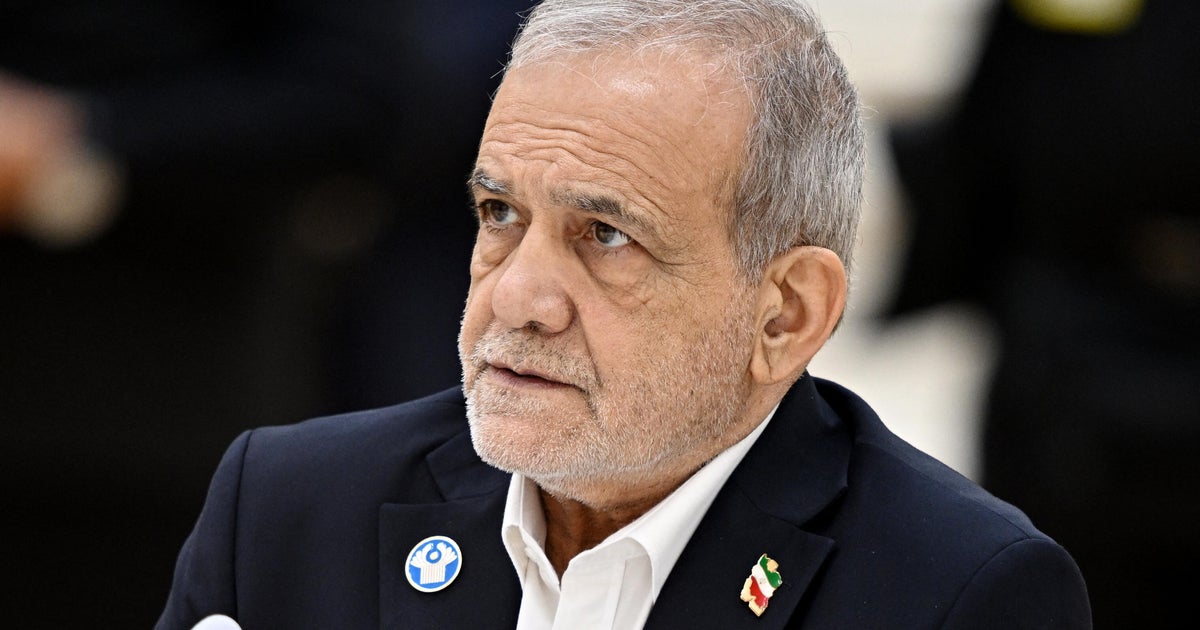
Iranian President Masoud Pezeshkian officially denied that Tehran is pursuing nuclear weapons during a meeting with Georgia's Prime Minister in Yerevan on Friday. Amidst intensifying international pressure and U.S. sanctions, Pezeshkian characterized allegations of a nuclear program as "malicious propaganda" and "lies," while reiterating Iran's willingness to engage in diplomatic dialogue. He condemned U.S. sanctions as "unjustifiable and inhumane," asserting that the country would not submit to external coercion. Simultaneously, regional security has deteriorated significantly. The United Kingdom Maritime Trade Operations reported a surge in shipping attacks within the Strait of Hormuz, noting 10 incidents in the final week of the reporting period alone. In Yemen, Iran-backed Houthi rebels launched missile strikes on Aden’s airport, while recent attacks on Saudi Arabian infrastructure, including Riyadh’s King Khalid International Airport, have resulted in approximately 20 deaths. Despite these events, Iran’s Foreign Ministry spokesman Esmaeil Baqaei formally rejected accusations of direct involvement in Houthi operations. The Houthis, long considered the most potent proxy within Iran’s "Axis of Resistance," continue to pose a severe threat to regional stability. Mohammed Al-Basha, a risk advisory expert, emphasized that any U.S. military strategy regarding Iran must account for the group's unpredictable capabilities. The conflict has already forced the cancellation of several high-profile sporting events in Saudi Arabia, though organizers insist the 2027 Asian Cup remains on schedule. Looking ahead, the geopolitical landscape remains volatile as indirect negotiations between Tehran and Western powers stall. While Iran maintains a stance of defiance against sanctions, the escalating frequency of maritime and aerial attacks suggests a widening theater of conflict. The international community remains focused on whether diplomatic channels can be reopened before the security situation in the Strait of Hormuz and the Arabian Peninsula reaches a point of no return.

Albanian Prime Minister Edi Rama has accused "foreign hands" of orchestrating the violent student-led protests that have gripped the nation for four consecutive days. As thousands of demonstrators march through Tirana and other major cities, including Elbasan and Shkodra, the unrest has intensified, resulting in clashes with riot police who have deployed water cannons and tear gas. Protesters are demanding the resignation of the Prime Minister, citing systemic government corruption and deteriorating conditions within the university system. The situation reached a critical point as demonstrators targeted government buildings and financial institutions, hurling bricks and concrete blocks at the Ministry of Education. According to official police reports, 160 individuals were detained on Thursday following acts of violence. Prime Minister Rama dismissed the movement as non-student in nature, stating in a video address, "This is not a student phenomenon," and claiming that external actors are actively working to destabilize the country’s peace. He explicitly rejected calls for his resignation, labeling such a move a betrayal of his mandate. These protests follow months of mounting public frustration, initially triggered by the controversial sale of Albanian coastline property to a luxury resort development linked to Jared Kushner. The movement has since broadened to encompass wider grievances regarding economic hardship and alleged state corruption. Analysts note that these scandals have significantly complicated Albania's long-term aspirations to join the European Union, a goal that remains a central pillar of Rama’s political platform and his administration's stated objectives. Looking ahead, the political impasse appears set to continue as the government remains firm in its refusal to step down. While Rama has expressed a willingness to discuss rising education costs, he maintains that his primary responsibility is to ensure Albania continues its path toward EU membership by 2028. With the protests spreading to multiple cities and targeting key infrastructure, the government faces a precarious challenge in balancing its reform agenda against a growing public demand for accountability and systemic change.

Market analysts are cautioning investors against attempting to 'buy the dip' in technology stocks, as current technical indicators for the Nasdaq Composite suggest that the recent market volatility may be far from over. Despite the allure of purchasing shares at lower valuations following recent sell-offs, experts warn that the underlying market structure remains fragile, with several bearish signals pointing toward further downward pressure in the near term. Technical analysis of the Nasdaq Composite reveals a concerning trend, with key support levels failing to hold under sustained selling pressure. Market strategists highlight that the index's momentum indicators are currently flashing warning signs, suggesting that the current correction is not merely a temporary fluctuation but potentially the beginning of a more prolonged period of weakness. The lack of strong buying volume during recent attempts to rebound further reinforces the skepticism surrounding a quick recovery. This cautious outlook comes as the broader technology sector faces a confluence of macroeconomic headwinds, including persistent inflationary pressures and shifting interest rate expectations. Investors have been aggressively repricing growth-oriented assets, leading to significant capital outflows from high-valuation tech firms. The sector, which led the market's rally for much of the past year, is now experiencing a sharp reversal as institutional sentiment shifts toward defensive positioning. Looking ahead, market participants are advised to exercise patience and wait for clearer signs of stabilization before re-entering the market. Analysts suggest that until the Nasdaq can reclaim critical moving averages and demonstrate a sustained increase in buying volume, the risk of further losses remains elevated. Investors are encouraged to prioritize risk management and avoid speculative trades until the technical landscape provides a more definitive signal of a bottoming process.

Hundreds of British troops are set to deploy to Poland next month to participate in large-scale military exercises simulating post-war peacekeeping operations in Ukraine. The drills, which will involve a coalition of at least 1,500 personnel including French and German forces, are designed to prepare European allies for a potential ceasefire scenario. The exercises will focus on the complex logistics of moving troops and supplies, establishing a multinational presence, and acting as a deterrent force to ensure long-term stability in the region. British Defense Secretary Wes Streeting, speaking from the Pentagon following meetings with U.S. officials, emphasized the necessity of the mission. 'Next month thousands of personnel will take part in a major exercise in Poland to ensure we are ready to support the military training and postwar rebuilding that Ukraine will need,' Streeting stated. He further described Ukraine as the 'front line for freedom,' asserting that the coalition is committed to securing the peace through proactive leadership and strategic readiness. The announcement comes amid heightened global instability and a warning from General Sir Roly Walker, Chief of the General Staff, who cautioned that the British public must prepare for the realities of a dangerous security environment. Meanwhile, the geopolitical landscape remains volatile; Ukrainian forces recently resumed drone strikes on Russian oil refineries, defying a requested 'energy ceasefire' from U.S. President Donald Trump. President Trump has publicly criticized these strikes, labeling them a 'disgrace' and expressing frustration with President Zelensky’s leadership, further complicating the diplomatic path toward a negotiated settlement. As the coalition prepares for these rehearsals, the Polish government has welcomed the increased European military presence, viewing it as a crucial step in strengthening defenses against Russian aggression. While the exercises are framed as a post-war contingency, they underscore the deepening divide between Western allies and the current U.S. administration's approach to the conflict. With intelligence sharing and satellite support under scrutiny, the upcoming drills serve as a clear signal that European powers are positioning themselves to maintain regional security regardless of shifting political tides in Washington.
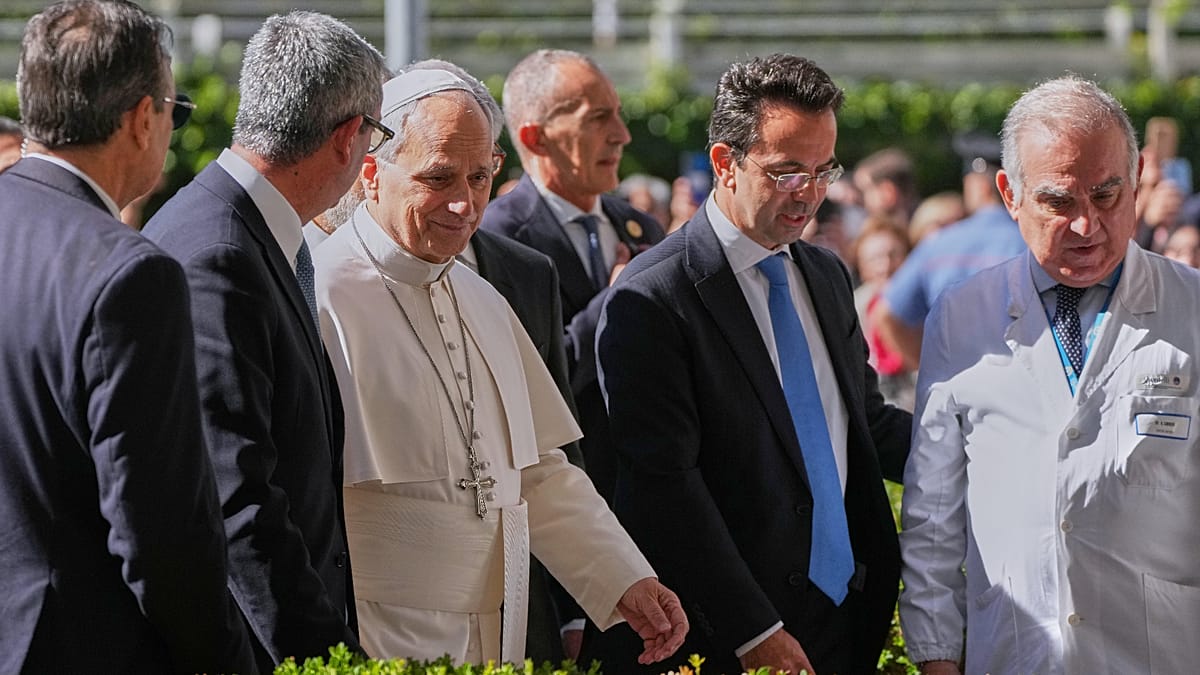
Pope Leo XIV initiated a direct telephone call to Russian President Vladimir Putin on Friday to advocate for an immediate ceasefire in the Russian-occupied Ukrainian city of Oleshky. Despite currently recovering from lung cancer surgery, the Pontiff emphasized the critical need for humanitarian intervention in the Kherson region, where the civilian population faces severe shortages of essential supplies and restricted movement. Vatican Secretary of State Cardinal Pietro Parolin confirmed the initiative, stating that the Pope’s primary objective is to secure safe corridors for the delivery of food and medical aid. Approximately 2,000 civilians remain trapped in the city, with the Vatican urging for their voluntary and safe evacuation. Cardinal Parolin expressed optimism that the Russian leadership would respond positively to the Holy Father’s direct appeal for humanitarian relief. This conversation marks the second time Pope Leo XIV has engaged with President Putin, following an initial call on June 4, 2025, shortly after the Pope's election. The diplomatic outreach highlights a shift in communication channels, as previous attempts by the Vatican to establish direct contact with the Kremlin had largely stalled following the full-scale invasion of Ukraine in February 2022. Russian state media reported that President Putin acknowledged the Pope’s humanitarian efforts and offered well-wishes for his recovery. The international community is now watching to see if this high-level diplomatic intervention will yield tangible results on the ground in Oleshky. While the Kremlin has expressed gratitude for the Pope's willingness to assist in conflict resolution, the implementation of a formal truce remains subject to military and political developments. The Vatican continues to position itself as a neutral mediator, prioritizing the immediate protection of non-combatants caught in the crossfire of the ongoing conflict.

Ukrainian President Volodymyr Zelensky has officially resumed strikes on Russian oil infrastructure, signaling a collapse of the brief 'energy ceasefire' brokered by US President Donald Trump. The decision follows a period of intense diplomatic friction, characterized by Zelensky’s public frustration over a US-Russia diesel deal and the reported throttling of Starlink satellite services. During a press conference in Brussels, Zelensky responded to suggestions that he is being used as a political scapegoat for Trump’s domestic challenges ahead of US midterm elections with a knowing smile, underscoring the deteriorating relationship between the two leaders. Zelensky highlighted the operational impact of recent US policy shifts, noting that partial restrictions on SpaceX’s Starlink services hindered Ukraine’s ability to intercept Russian drones. 'This was a very unpleasant and dangerous surprise,' Zelensky stated, confirming that while connectivity is being restored following White House intervention, the disruption caused significant defensive gaps. Meanwhile, Trump has publicly criticized Kyiv’s renewed refinery strikes as a 'disgrace,' arguing that such actions inflate global energy prices, while simultaneously claiming he finds it easier to negotiate with Vladimir Putin than with the Ukrainian leadership. The conflict has intensified on the ground, with Russia launching retaliatory drone strikes on civilian infrastructure in Odesa and Kharkiv, resulting in multiple casualties. Zelensky has condemned these attacks as 'bloody terror' while maintaining that Ukraine must continue targeting Russian energy facilities to counter Moscow’s ongoing aggression. The Ukrainian leader has also appealed to European Union officials for an additional 70 billion euros in funding for the coming year, emphasizing that the total cost of the war effort is projected to reach 155 billion euros. Looking ahead, the diplomatic standoff between Kyiv and Washington remains precarious. While Zelensky indicated that his team is in constant contact with US negotiators to arrange a high-level meeting, the fundamental disagreements regarding energy policy and military strategy persist. As Russia vows revenge for the latest refinery strikes and the US continues to prioritize domestic fuel prices, the path toward a sustainable resolution appears increasingly narrow, leaving Ukraine to navigate a complex landscape of shifting international alliances and battlefield survival.

Albanian Prime Minister Edi Rama has issued a public appeal for calm as violent anti-government demonstrations entered their fourth consecutive day across the country. Addressing the nation via social media, Rama characterized the unrest as the work of "foreign hands" intent on destabilizing the Balkan nation. The protests, which began in the capital of Tirana, have seen thousands of young demonstrators take to the streets to demand education reforms and express deep-seated frustration with the current administration's perceived arrogance and indifference. The situation has turned increasingly volatile, with protesters smashing windows, damaging public infrastructure, and setting fire to rubbish bins to obstruct traffic. Police forces have responded with tear gas and water cannons to disperse the crowds. One 18-year-old participant, Ledia, stated, "We are not criminals. We simply want a better life for our parents and ourselves. We do not want to leave Albania." The European Union delegation in Albania has officially intervened, urging authorities to exercise a proportionate response while expressing grave concern regarding the violent escalation of the demonstrations. These protests are the latest manifestation of months of mounting public dissatisfaction in Albania. The movement has been fueled by broader grievances, including allegations of systemic corruption and inequality. Specifically, a controversial luxury tourism project involving the family of former U.S. President Donald Trump has become a focal point for activists, serving as a symbol of the government's alleged disconnect from the needs of the average citizen. The unrest has now spread beyond the capital, with students across multiple cities boycotting classes to join the movement. Despite the pressure, Prime Minister Rama remains in a secure political position following his Socialist Party's fourth consecutive election victory last year. With the next parliamentary elections not scheduled until 2029, the government is currently focused on its ambitious goal of securing European Union membership by 2028. However, the ongoing civil unrest poses a significant challenge to the administration's stability and its international reputation as it navigates the complex path toward EU integration amidst growing domestic volatility.

Pope Leo XIV has made his first public appearance since undergoing a 90-minute surgery on Tuesday to remove a cancerous mass from his right lung. The 71-year-old Chicago-born pontiff was photographed celebrating Mass at a makeshift altar within the Agostino Gemelli Polyclinic in Rome. Vatican officials confirmed that the Pope is in good spirits and recovering well, with medical staff noting that he is currently performing daily activities independently. During his recovery, the Pope engaged in a significant diplomatic phone call with Russian President Vladimir Putin. According to the Vatican, Leo expressed "deep concern" regarding the humanitarian crisis in the Russian-occupied Ukrainian town of Oleshky. He urged the Russian leader to establish a truce to facilitate the delivery of essential food and medical supplies, as well as to allow for the voluntary evacuation of trapped civilians. Medical reports from the Gemelli hospital indicate a steady improvement in the Pope's condition, with chest X-rays showing a positive recovery of the operated lung. While doctors have stated that his recovery is progressing normally, they are still awaiting the results of ongoing tests to determine if the cancer has spread and to outline the future course of his treatment. The Vatican has not yet provided a specific date for his discharge, though initial estimates suggested a one-week hospital stay. Looking ahead, the Vatican is preparing for the traditional Sunday Angelus prayer. While it remains unconfirmed whether the Pope will lead the prayer from the hospital or the Apostolic Palace, historical precedents exist for pontiffs reciting the Angelus from the Gemelli hospital window. As he recovers, the Pope has been buoyed by messages of support, including letters and drawings from children currently receiving treatment at the same facility, reflecting the widespread public interest in his health.

Ukrainian President Volodymyr Zelensky has firmly defended his nation’s right to strike Russian oil refineries, dismissing sharp criticism from US President Donald Trump. Speaking at an EU summit in Brussels, Zelensky asserted that he is acting solely in Ukraine’s interests, warning that failing to oppose controversial energy deals between Washington and Moscow would set a dangerous precedent. The diplomatic rift has deepened following Trump’s recent agreement to import 300,000 tonnes of Russian diesel, a move intended to stabilize US fuel prices ahead of mid-term elections but which Kyiv views as a direct financial lifeline for the Kremlin’s war effort. Financial strain remains a critical concern for Kyiv, with Zelensky informing the European Council that the war is projected to cost €155 billion next year. He requested at least €70 billion in EU support for defense, noting that while Ukraine has tripled its domestic drone production capacity, it lacks the necessary funding to scale operations. Furthermore, Zelensky highlighted a chronic shortage of US-made Patriot missile systems, urging European allies to expedite the delivery of interceptors to protect civilian infrastructure against anticipated winter barrages. The relationship between Washington and Kyiv has further deteriorated due to reported restrictions on the Starlink satellite network, which is vital for Ukrainian military coordination. Zelensky described the recent service slowdown as a "very dangerous" surprise, occurring simultaneously with deadly Russian strikes. These tensions are compounded by threats from the Trump administration to withhold intelligence-sharing if Ukraine persists in targeting Russian energy facilities, which the US argues are inflating global oil prices. As winter approaches, the military situation remains volatile. Satellite imagery confirms Russia is rapidly expanding a drone base near the border, signaling an intent to intensify aerial campaigns. Conversely, Ukrainian forces have successfully targeted Russian airfields, destroying several Su-34 fighter bombers. Despite the growing friction with the US, Zelensky maintains that many Americans remain committed allies, even as he navigates a complex geopolitical landscape where his nation’s survival is increasingly tied to European financial and military solidarity.
Global bond markets have experienced a significant reprieve this week, with US Treasuries heading toward their strongest performance since February. The sharp decline in borrowing costs marks a reversal from recent multi-decade highs, as investors pivot away from riskier assets in favor of the perceived safety of government debt. This shift in sentiment has been largely driven by growing anxiety surrounding the sustainability of the artificial intelligence-led stock market rally, prompting a defensive reallocation of capital. The benchmark 10-year Treasury yield, which moves inversely to price, retreated significantly as demand for safe-haven assets surged. Market analysts noted that the volatility in equity markets, particularly among high-growth technology firms, has forced institutional investors to reassess their exposure. "The market is finally pricing in a reality check regarding the AI hype cycle," noted one senior fixed-income strategist, highlighting that the sudden flight to quality reflects broader concerns about economic stability and corporate earnings growth in a high-interest-rate environment. This rally follows a prolonged period of intense selling pressure that had pushed yields to levels not seen in decades, fueled by expectations that central banks would maintain restrictive monetary policies for longer than previously anticipated. The recent stabilization suggests that while inflation remains a primary concern, the market is increasingly sensitive to signs of economic cooling. The sudden shift underscores the fragility of investor confidence as the global economy navigates the intersection of aggressive technological disruption and persistent macroeconomic headwinds. Looking ahead, market participants remain cautious as they await further signals from major central banks regarding future interest rate trajectories. While the current rally provides a temporary cushion for bondholders, analysts warn that volatility is likely to persist. The focus will now shift to upcoming labor market data and inflation reports, which will be critical in determining whether this flight to safety is a short-term tactical adjustment or the beginning of a more sustained trend in global fixed-income markets.

Thousands of demonstrators gathered in New Delhi’s Connaught Place on Friday, waving Indian flags and demanding the resignation of election chief Gyanesh Kumar. The rally, organized by the youth-led "Cockroach" movement, marks a significant escalation in public dissent against Prime Minister Narendra Modi’s administration. Despite a heavy police presence and the preemptive detention of movement founder Abhijeet Dipke, protesters successfully occupied the capital’s central commercial district to voice their grievances. The core of the protest centers on a controversial review of voter lists that has seen over 130 million names removed since last year. Critics, including opposition parties and student activists, argue the process is politically motivated and disproportionately targets minorities, particularly Muslims. While the Election Commission and government officials maintain the revision is a standard effort to remove duplicate and ineligible entries, protesters insist the move threatens to disenfranchise millions of voters. The "Cockroach" movement originated as a satirical online campaign after India’s chief justice compared unemployed youth to parasites, a label the group reclaimed as a symbol of resilience. The movement has gained significant momentum, previously forcing the resignation of the education minister in July. Authorities have attempted to suppress the demonstrations by closing public spaces and labeling participants as "anarchists," with some government figures alleging, without evidence, that the movement is backed by foreign interests. While Prime Minister Modi’s government remains electorally robust after over 12 years in power, these protests represent a rare and persistent challenge to his authority. It remains uncertain whether the current anger over voter disenfranchisement will coalesce into a broader political shift or if the government will successfully contain the unrest. As the movement expands beyond New Delhi, the administration faces increasing pressure to address the transparency of its electoral processes and the growing frustration among India's younger generation.

Pirouz Mojtahedzadeh, a distinguished academic and expert in political geography, passed away in London on Thursday at the age of 80 following a period of illness. Known for his extensive research on Iran’s borders and regional territorial disputes, Mojtahedzadeh was a prominent figure in both academic circles and media discourse. His death was confirmed by his relative, the poet Afshin Ala, marking the end of a career dedicated to the study of Iran's strategic position. Born in 1946 in Noor, Mazandaran, Mojtahedzadeh pursued his academic journey across Tehran, Manchester, Oxford, and London. His early interest in regional geography culminated in his first book, 'Sheikhdoms of the Persian Gulf,' published in 1970. Throughout his career, he authored significant works including 'Security and Territorial Issues in the Persian Gulf' (1999) and 'Small Players in the Great Game' (2004). He frequently utilized British archival documents to substantiate his arguments regarding Iranian sovereignty, particularly concerning the islands of Abu Musa and the Tunbs. Beyond his scholarly contributions, Mojtahedzadeh was a polarizing public intellectual known for his vocal defense of Iran’s territorial integrity. He frequently appeared in international media to analyze Middle Eastern politics, often balancing support for national interests with sharp critiques of the Islamic Republic’s foreign policy. His views were not without controversy; he notably challenged the conventional historical narrative surrounding the 1953 coup against Mohammad Mosaddegh, sparking significant debate among historians and political observers. In his later years, Mojtahedzadeh remained active in political commentary, advocating for a pragmatic shift in Iran's foreign policy. In a 2023 interview, he urged the Iranian government to prioritize diplomatic engagement with Western nations and decouple itself from regional conflicts, such as the Israel-Hamas war. His legacy remains defined by his rigorous, albeit debated, efforts to map the geopolitical complexities of the Persian Gulf and his unwavering focus on the historical evolution of Iran’s borders.

A professional rugby player representing the South African side, the Lions, has died following an apparent heart attack in La Rochelle, France. The athlete, reported to be in his 30s, was discovered unresponsive in a shower stall at a hotel on the Ile de Re on Friday morning. Despite the immediate arrival of emergency services, responders were unable to resuscitate the player, who was pronounced dead at the scene. While the identity of the player has not yet been released, the incident has sent shockwaves through the rugby community. Local authorities at the Ile de Re venue confirmed that a psychological support unit has been established to assist both the Lions' players and staff, as well as the hotel employees affected by the tragedy. No official statement has been issued by the Lions organization or the European Champions Cup organizers at this time. The Lions were scheduled to face the French side La Rochelle in a high-profile European Champions Cup fixture on Saturday. The team had traveled to France specifically for this tournament match, which is now widely expected to be postponed or canceled in light of the sudden fatality. The proximity of the event to the scheduled kickoff has left tournament officials and team management scrambling to manage the logistics of the tragedy. As the investigation into the circumstances of the death continues, the focus remains on the welfare of the traveling squad. The European Champions Cup is expected to release a formal update regarding the status of the match and potential tributes in the coming hours. This incident marks a somber moment for the sport, highlighting the unpredictable nature of health crises among elite athletes, and the rugby world is currently awaiting further details from the team's official channels.

A massive wave of Ukrainian drone strikes forced the closure of all four of Moscow’s major airports overnight, disrupting travel for thousands of passengers. The suspension, which lasted up to seven hours, impacted Vnukovo, Domodedovo, Zhukovsky, and Sheremetyevo, leading to the cancellation of over 160 flights. Moscow Mayor Sergei Sobyanin reported that 94 drones were intercepted while targeting the capital, while operations at St. Petersburg’s Pulkovo airport were also halted twice due to aerial threats in the Leningrad region. Data from the Russian investigative outlet Agentstvo highlights a sharp escalation in these disruptions, noting that Moscow’s airports have been closed for 101 hours during the first two weeks of October alone, significantly surpassing the 46-hour total recorded throughout September. This follows a massive operation on Tuesday involving nearly 500 drones. While Ukrainian officials have not officially confirmed an organized campaign to paralyze Russian aviation, President Volodymyr Zelenskyy has previously warned that Russian skies are becoming increasingly unsafe. The frequency of these attacks has reached a level where even high-level state logistics are affected. Reports indicate that on October 9, a presidential aircraft carrying Vladimir Putin was forced to divert to St. Petersburg after being unable to land in Moscow during a drone incursion. Although Russian officials have remained silent on the specific incident, the ongoing strategy appears aimed at pressuring Russia’s military and commercial infrastructure as the conflict enters its fifth year. International reaction remains divided, with US President Donald Trump recently criticizing Ukraine’s targeting of Russian oil refineries. Trump described the strikes as a "disgrace," arguing that attacking facilities producing diesel fuel negatively impacts global energy markets. Despite such diplomatic friction, Kyiv continues to prioritize the degradation of Russia's war machine, signaling that the drone campaign is likely to persist as a core component of its defensive and offensive strategy.

Valve has officially introduced 'Achievement Sets' to its Steam platform, a feature currently available in the Steam Client beta that fundamentally changes how user progress is tracked. By separating base game achievements from those added via downloadable content (DLC), the update ensures that players no longer see their 100 percent completion records negatively impacted when developers release new content expansions. This long-requested quality-of-life improvement provides a more accurate representation of a player's mastery over the core game experience. The system allows developers to organize achievements into distinct collections, such as separating single-player and multiplayer milestones or creating seasonal event sets. Each collection features its own progress bar, with base game achievements highlighted in blue and DLC-specific achievements marked in purple. A key technical advantage is that DLC sets will not influence a user's overall game progress until the player actually gains access to that specific content, preventing artificial inflation or deflation of completion stats. To support this transition, Steam has redesigned its achievements page to offer a clearer visual hierarchy of these sets. The interface now allows users to display 'set complete' trophies on their profiles and provides enhanced social features, including the ability to compare progress on specific sets with up to three friends. While developers are required to manually update their titles to implement these collections, Valve reports that a growing number of games have already integrated the feature. Looking ahead, this update marks a significant shift in how digital gaming platforms manage long-term engagement and user metrics. By decoupling base game completion from ongoing content updates, Steam is addressing a common frustration among 'completionist' gamers who value their profile statistics. As more developers adopt Achievement Sets, the platform expects a more standardized and transparent approach to tracking player achievements across its vast library of titles, ultimately fostering a more rewarding experience for dedicated users.

Bayer Leverkusen is currently undergoing a significant tactical evaluation as the club looks to revitalize the performance of star playmaker Florian Wirtz. Following a period of inconsistent league results, coaching staff are reportedly exploring structural adjustments to better accommodate the 21-year-old’s creative output. The objective is to move away from recent rigid configurations that have stifled his influence, aiming to replicate the dynamic fluidity that defined their previous successful campaigns. Internal discussions highlight a growing concern regarding the team's offensive efficiency. While specific metrics remain internal, analysts point to a noticeable dip in Wirtz’s goal-contribution frequency compared to his breakout season. The club remains committed to building their long-term project around the German international, emphasizing that the current tactical shift is a necessary evolution rather than a reactionary measure to recent setbacks. This strategic pivot comes amidst broader speculation regarding the influence of high-profile managerial philosophies on the Bundesliga landscape. Observers have drawn parallels between Leverkusen’s current challenges and the tactical demands seen in elite European leagues, where the 'Klopp factor'—characterized by high-intensity pressing and rapid transitions—continues to set the benchmark. Leverkusen’s leadership is reportedly analyzing these high-tempo models to integrate more aggressive verticality into their own system. Looking ahead, the upcoming matchday is viewed as a critical testing ground for these adjustments. The technical staff is expected to implement a more flexible midfield structure, allowing Wirtz greater freedom to operate in the half-spaces between the opposition’s defensive lines. Success in this transition will be vital for Leverkusen as they aim to stabilize their league standing and regain the competitive edge required to challenge for top-tier honors throughout the remainder of the season.

As Halloween 2026 approaches on a Saturday, travel experts at Adventure360 have released a comprehensive ranking of the world’s top party destinations for the holiday. The study evaluated 113 cities based on the volume of Halloween events, nightlife infrastructure, late-night dining availability, safety, and the presence of signature cultural celebrations. New York City secured the top spot with a score of 91.1 out of 100, followed by Chicago and Edinburgh, highlighting a strong preference for urban centers with robust festive atmospheres. While the United States dominated the top 10 with three entries, Europe emerged as the leading continent for Halloween travel, securing five positions in the top tier. Edinburgh ranked third globally, bolstered by its iconic Samhuinn Fire festival, while Dublin followed in fourth place, driven by its extensive Bram Stoker festival. Other European cities, including Madrid, London, and Prague, earned high marks for their inherent atmosphere and diverse range of themed events, despite lacking a single signature holiday anchor. The report emphasizes that a city's score is heavily influenced by its ability to blend traditional heritage with modern nightlife. For instance, London boasts the highest number of nightlife venues and late-night restaurants among the top 10, providing a massive infrastructure for revelers. Meanwhile, cities like Prague and Madrid leverage their historic, gothic architecture to provide a natural backdrop for ghost tours and immersive horror experiences, proving that atmosphere is just as critical as organized events. Looking ahead, the 2026 Halloween season is expected to see a surge in international travel as tourists seek out destinations that offer unique, localized experiences. Whether it is the fire-lit performances on Calton Hill in Edinburgh or the gothic-themed park celebrations in Dublin, the data suggests that travelers are increasingly prioritizing cities that offer a distinct cultural narrative. As the holiday falls on a weekend, major global hubs are preparing for record-breaking attendance at both traditional festivals and contemporary nightlife events.

Russian forces launched a massive aerial assault across nine Ukrainian regions on Friday, causing widespread emergency power outages and damaging critical civilian infrastructure. The strikes, which wounded at least 15 people, mark a continuation of Moscow’s seasonal strategy to cripple Ukraine’s energy grid ahead of the winter months. As temperatures drop, the bombardment of residential areas, public transport, and food stores has left millions of civilians facing the prospect of a winter without reliable heating or running water. The human cost of the conflict has surged, with the United Nations reporting that civilian casualties in September were 85% higher than during the same period last year. At least 328 civilians were killed and 2,105 wounded last month, with Danielle Bell, head of the UN human rights office in Kyiv, describing the first two weeks of October as "among the deadliest periods for civilians in years." Ukrainian officials warn that Russia is actively stockpiling ballistic missiles to sustain this high-intensity campaign throughout the coming winter. Simultaneously, a deepening diplomatic rift between President Volodymyr Zelenskyy and US President Donald Trump has cast doubt on the future of American military aid. Zelenskyy publicly expressed feelings of betrayal following a series of sharp exchanges, while Trump has openly criticized the Ukrainian leader. The tension has been exacerbated by disputes over intelligence sharing, restrictions on SpaceX’s Starshield services, and concerns regarding a controversial diesel deal between the US and Russia, which Kyiv views as a violation of international sanctions. As Zelenskyy met with European leaders in Brussels to secure continued support, the outlook remains grim. Ukraine faces a critical shortage of Patriot missile systems necessary to intercept Russian ballistic threats. While European allies have vowed to maintain their commitment to Kyiv, the breakdown in communication with Washington leaves Ukraine increasingly vulnerable. Zelenskyy emphasized that despite the lack of signals from Moscow regarding a potential peace settlement, Ukraine must now prepare for a protracted and difficult winter defense.

OpenAI has announced a $5 million donation to the Simons Foundation, a strategic move aimed at mending relations with the global mathematics community. This initiative follows intense backlash from the Association for Human Mathematics (AHM), which recently accused the AI giant of plagiarism and a "total disregard for the norms of scientific research" regarding its claims of solving long-standing mathematical problems. The controversy erupted in September when OpenAI claimed an unreleased model had cracked a major result on the Navier-Stokes equations, a fluid dynamics challenge that has persisted for nearly a century. Two mathematicians, including Anthropic’s Levent Alpöge, challenged the originality of the work, suggesting the AI may have drawn from their private research. OpenAI has officially denied these allegations, maintaining that its model independently generated the results. OpenAI’s contribution is part of a broader $15 million initiative spearheaded by the Simons Foundation, which also includes support from Anthropic. The funding is specifically earmarked for workshops, conferences, and specialized programs designed to help human researchers verify, understand, and build upon AI-generated mathematical findings. OpenAI has also committed to providing these researchers with direct access to its proprietary models and computing resources. Looking ahead, the collaboration aims to bridge the gap between rapid algorithmic advancement and traditional academic rigor. By integrating AI tools into the scientific process under the guidance of the Simons Foundation, OpenAI hopes to transition from a disruptive force to a collaborative partner. The success of this initiative will likely depend on whether the mathematical community accepts these resources as a genuine effort to foster transparency rather than a superficial attempt to mitigate reputational damage.

Joshua Foster, a 37-year-old British executive from Essex, has been spared a prison sentence by a Paphos District Court following the tragic death of his two-year-old son. The toddler fell 33 feet from an open fourth-floor window at the five-star King Evelthon Hotel in Cyprus this past July. Foster, who pleaded guilty to causing the death of his child, was ordered to pay a €3,000 fine after the judge determined that imprisonment was not an appropriate punishment for the accidental tragedy. Judge Froso Christodoulidou acknowledged the severity of the incident but emphasized that Foster had no intention to harm his son, describing the event as an "innocent mistake" born of negligence. The court noted that Foster, an AI director at KPMG, had cooperated fully with authorities and possessed no prior criminal record. While the judge stated that "whenever there is loss of life no sentence is satisfactory," she concluded that the father would already face the lifelong burden of guilt for the loss of his child. The incident occurred while the family was on vacation, as Foster held his son up to view a water park from a hotel window he mistakenly believed was protected by glass. Prosecutors noted that while Foster had consumed alcohol earlier in the day, it did not play a significant role in the accident. The tragedy has drawn additional scrutiny to the King Evelthon Hotel, as the toddler was the third British tourist to die at the property within the last four years. Following the sentencing, Foster expressed relief at the prospect of returning to the United Kingdom to grieve with his wife and daughter. The court’s decision to impose a fine rather than incarceration allows the family to leave Cyprus immediately. The case serves as a somber reminder of the risks associated with hotel safety standards and the devastating consequences of momentary lapses in supervision during family travel.

European Union leaders have formally requested that the European Commission implement targeted, temporary measures to alleviate the economic burden of skyrocketing energy costs on households and businesses. Following extensive negotiations at the European Council summit, officials emphasized the need for a unified strategy to replace fragmented national responses, aiming to protect energy-intensive industries and vulnerable citizens from the ongoing crisis. The urgency of the situation is underscored by data from the International Energy Agency (IEA), which warned that diesel markets will remain tight through 2027. Wholesale diesel prices currently hover at nearly double pre-crisis levels and crude oil benchmarks. Greek Prime Minister Kyriakos Mitsotakis highlighted that energy costs are the primary driver of current European inflation, while Finnish Prime Minister Petteri Orpo stressed the immediate necessity of guaranteeing affordable prices for both consumers and the industrial sector. This crisis is exacerbated by geopolitical instability, including the conflict in the Middle East and ongoing disruptions to global supply chains. Concerns regarding the security of energy supplies have prompted leaders to explore voluntary joint purchasing platforms, similar to those established following the Russian invasion of Ukraine. Furthermore, the decline in European oil refinery capacity since 2009 has left the bloc increasingly susceptible to external shocks, forcing a re-evaluation of strategic energy autonomy. Looking ahead, the EU faces a difficult balancing act between providing immediate financial relief and maintaining fiscal sustainability. Analysts from State Street Investment Management have cautioned that nations like France and Belgium are approaching unsustainable debt levels due to prolonged support measures. As the Commission debates the next multi-annual budget, the tension between long-term green transition goals and short-term economic survival remains a central point of contention among member states, with environmental regulations facing potential delays to ease immediate market pressures.
Ukrainian President Volodymyr Zelenskyy addressed European leaders at a summit in Budapest, emphasizing the urgent need for continued military and financial support as the war against Russia continues to grind on. While Zelenskyy praised the 'real leaders' within the European Union who have remained steadfast in their commitment to Kyiv, the atmosphere was notably colored by the looming uncertainty surrounding the incoming U.S. administration. The summit served as a critical platform for Ukraine to reinforce its security requirements before a potential shift in American foreign policy. The geopolitical tension is largely driven by the strained relationship between Zelenskyy and U.S. President-elect Donald Trump. During his campaign, Trump frequently criticized the scale of U.S. aid provided to Ukraine, suggesting a desire to rapidly conclude the conflict, which has fueled anxieties in Brussels and Kyiv alike. European officials are now grappling with the prospect of having to shoulder a significantly larger portion of the financial and military burden should Washington decide to scale back its involvement in the region. Historically, the transatlantic alliance has been the bedrock of Ukraine's defense strategy, with the U.S. providing the lion's share of advanced weaponry and intelligence. However, the current political climate has forced European nations to accelerate discussions regarding their own strategic autonomy and defense capabilities. Zelenskyy’s presence at the summit was a strategic move to solidify European unity, aiming to prevent any fractures in the coalition that could be exploited by Moscow as the conflict enters a volatile new phase. Looking ahead, the European Union faces a complex balancing act. Leaders must reconcile their domestic economic pressures with the existential necessity of maintaining a stable security architecture on their eastern flank. As the transition of power in Washington approaches, the focus will shift toward whether European nations can effectively coordinate a unified defense strategy that remains resilient, regardless of potential shifts in U.S. policy, ensuring that Ukraine remains equipped to defend its sovereignty against ongoing Russian aggression.

The global entertainment landscape is currently dominated by high-profile legal developments and significant shifts in celebrity narratives. Fiona Harvey has secured a major victory in her $170 million defamation lawsuit against Netflix regarding the series 'Baby Reindeer,' with a judge ruling the case will proceed to trial. Meanwhile, in the United Kingdom, Meghan, Duchess of Sussex, has returned to the public eye, sparking renewed media interest during a high-profile lunch engagement near Kensington Palace, where she paired an accessible £85 M&S blazer with luxury accessories. Legal scrutiny continues to intensify for several public figures. Russell Brand is currently facing serious allegations in court, where a complainant described harrowing experiences, while the trial of Kieran Hayler continues as he addresses grave accusations. In the United States, custody disputes remain a focal point for celebrities like Halle Berry, who has publicly attributed her son's behavioral challenges to her ex-partner, Olivier Martinez. These cases highlight the ongoing intersection of private life and public legal accountability. Industry trends are also shifting as veteran stars navigate new chapters. Sir Rod Stewart, at 81, has announced his retirement from live stage performances, marking the end of a legendary career, while Billy Joel faces health-related restrictions that have sidelined his ability to drive and perform. Simultaneously, the entertainment industry is grappling with internal controversies, including a racism row and production chaos surrounding the reality series 'Celebrity Traitors,' which has faced criticism for leaked spoilers and cast tensions. Looking ahead, the industry remains in a state of flux as audiences demand more transparency from public figures. From Hailey Bieber facing backlash over her comments on 'overconsumption' to the ongoing scrutiny of social media influencers, the line between personal branding and public perception is increasingly blurred. As these legal and cultural narratives unfold, the global media continues to monitor the evolving standards of celebrity conduct and the impact of digital-age accountability on long-standing entertainment icons.